



Jan
Roof painting plays a crucial role in protecting your home, extending the life of your roof, and improving street appeal. While a freshly painted roof can dramatically transform the look of your property, roof painting is far more than a cosmetic upgrade, it’s a specialised maintenance process that should always be carried out by experienced roofing professionals.
At Roo Roofing, we regularly inspect roofs where incorrect preparation or DIY painting has caused long-term damage. This guide explains why roof painting matters, what’s involved in the process, and why engaging a qualified roofing contractor is the safest and smartest option for Brisbane homeowners.
Why Roof Painting is Important
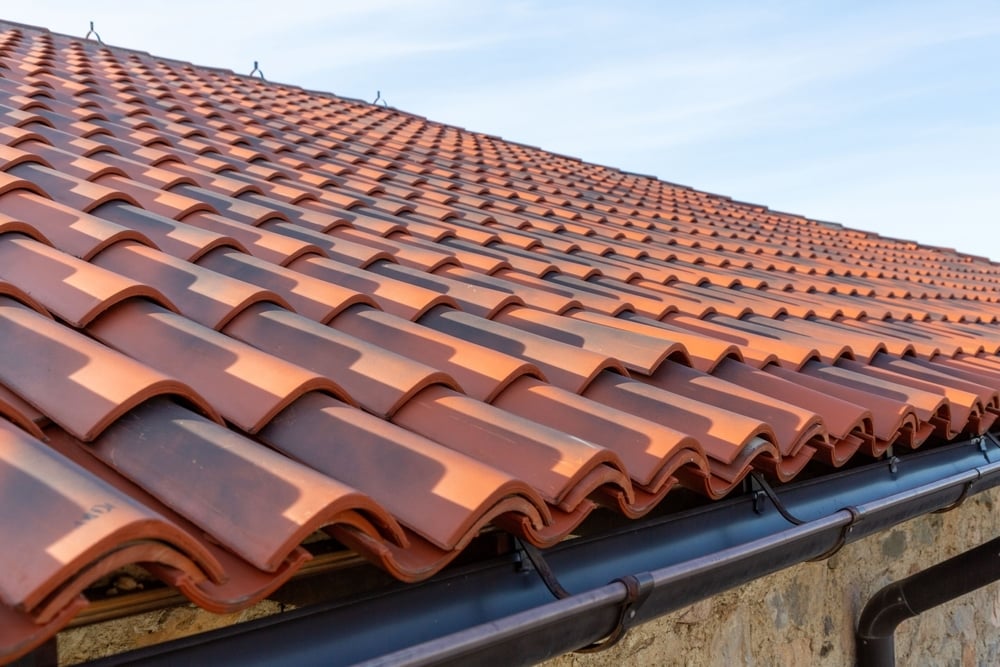
Roof tiles are constantly exposed to harsh Australian conditions, such as sunlight, heavy rain, humidity, wind, and debris. Over time, this exposure breaks down the tile surface, making it porous and vulnerable to moisture absorption.
Professional roof painting helps to:
- Seal roof tiles and reduce water penetration
- Protect against moss, lichen, and algae growth
- Improve resistance to heat and weathering
- Extend the lifespan of your existing roof
- Restore your home’s appearance and value
Without proper sealing and coatings, ageing tiles can deteriorate faster, leading to leaks, internal damage, and costly repairs.
Is Roof Painting a DIY Job?
Short answer: no.
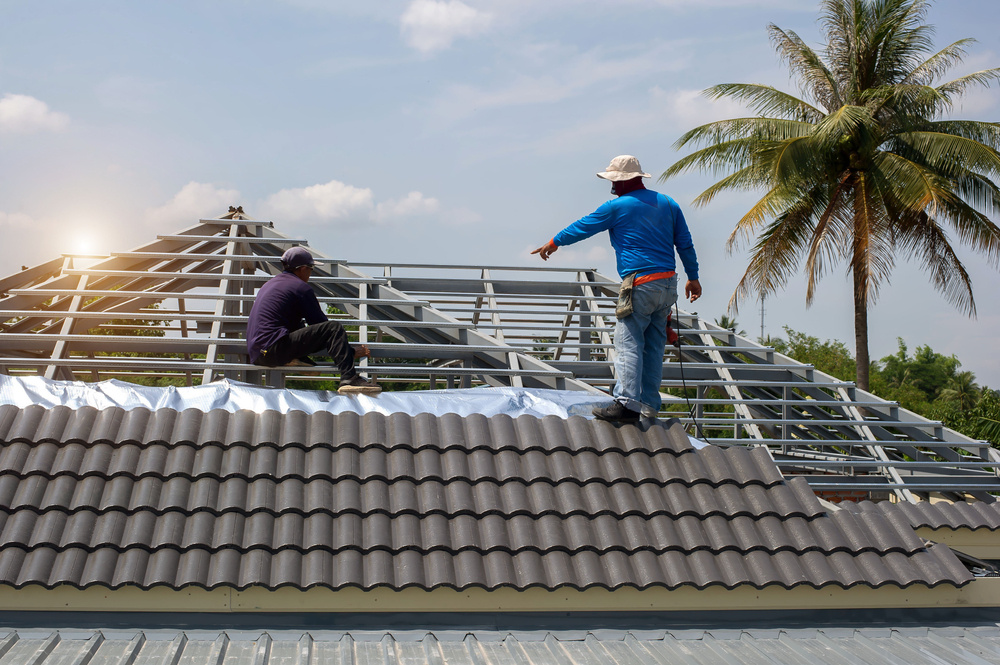
Roof painting involves working at heights, using specialised equipment, and applying products that require professional knowledge. Incorrect pressure cleaning, unsuitable paint, or poor application can damage tiles, void warranties, and shorten your roof’s lifespan.
That’s why Roo Roofing strongly recommends engaging licensed roofing professionals for all roof painting and restoration projects.
Should Gutters be Replaced During Roof Painting?
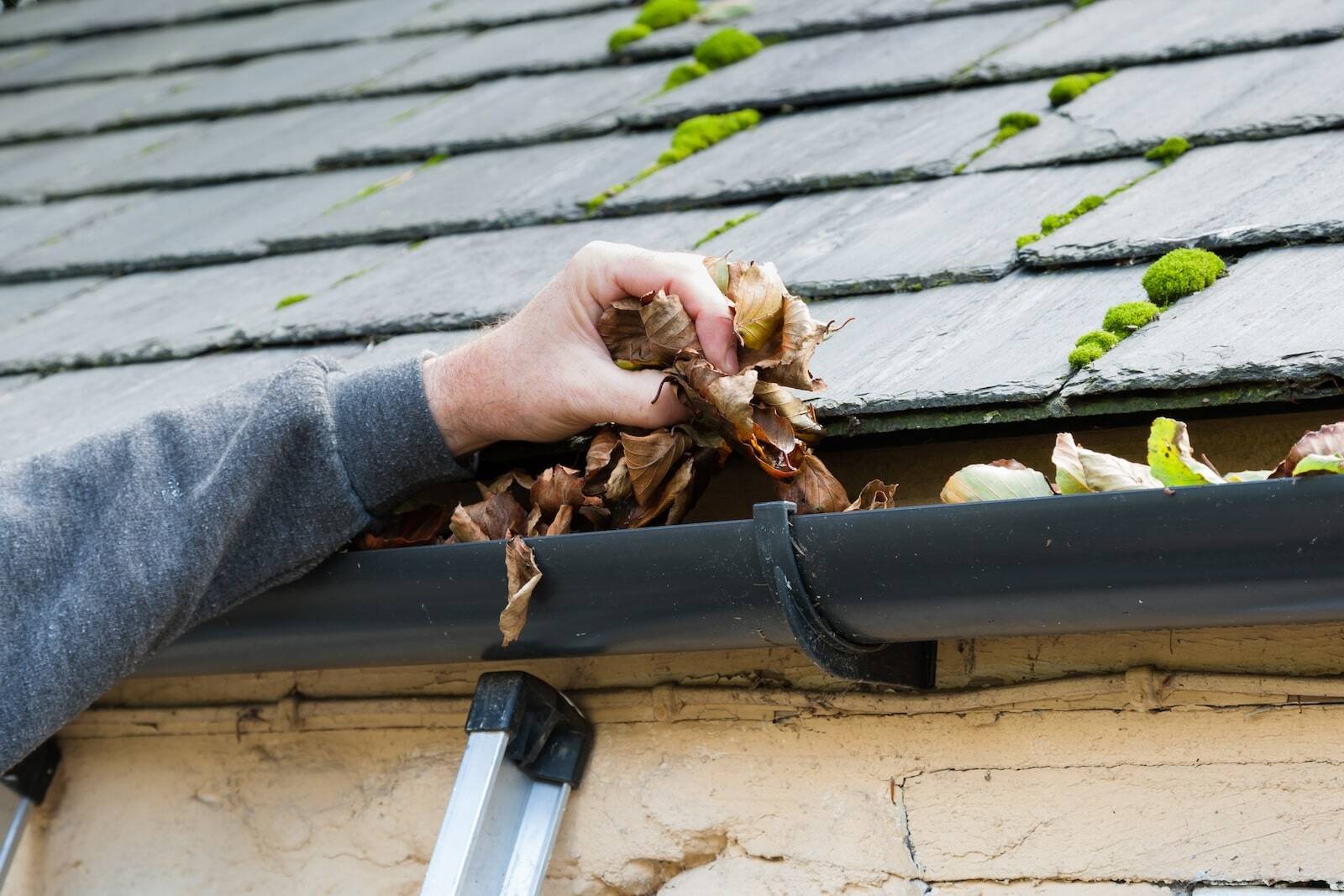
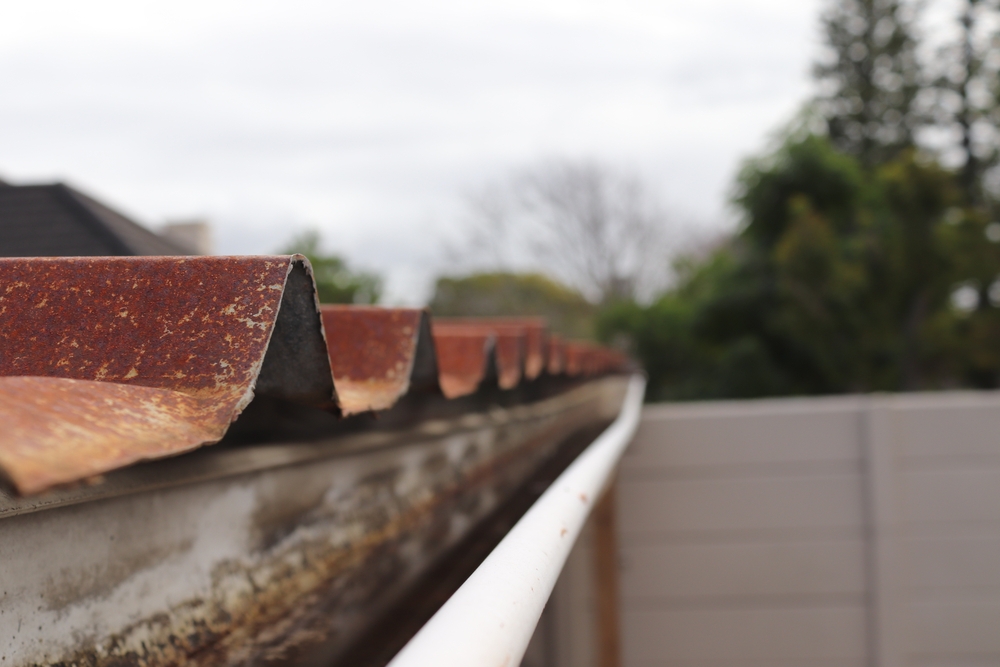
In many cases, yes. When a roof reaches the stage where painting or restoration is required, gutters and downpipes are often nearing the end of their lifespan as well.
Replacing gutters before roof painting offers several advantages:
- Prevents damage to newly painted tiles during gutter installation
- Allows roof cleaning debris to be flushed into old gutters before removal
- Ensures the entire roofing system is refreshed at once
A professional roofing inspection will determine whether gutter replacement should be included as part of your roof painting project.
Choosing the Right Roof Paint
Not all paints are suitable for roofs, and using the wrong product can cause peeling, fading, or moisture entrapment.
Professional roof painters use coatings specifically designed for:
- Concrete roof tiles
- Terracotta roof tiles
- Slate or composite materials
High-quality roof paints are formulated to withstand UV exposure, temperature fluctuations, and heavy rainfall. Many modern coatings also include heat-reflective technology, helping reduce roof surface temperatures and improve energy efficiency.
A roofing professional will assess your tile type and recommend the correct paint system to ensure long-lasting results.
Selecting the Right Roof Colour
Roof colour selection isn’t just about aesthetics, it also impacts thermal performance and compliance.
When choosing a roof colour, consider:
- Your home’s exterior colour palette
- Architectural style (traditional vs modern)
- Neighbourhood character and council guidelines
- Local climate and heat reflection
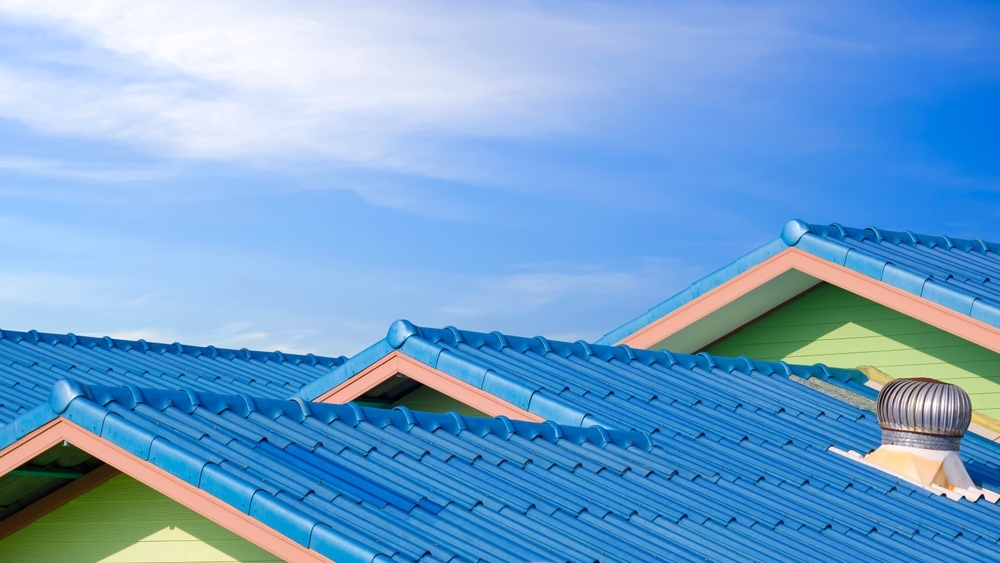
Lighter colours are often recommended for Brisbane homes as they reflect heat and help keep indoor temperatures more stable.
.jpg?width=1000&height=667&name=shutterstock_2311141067%20(1).jpg)
Professional Roof Painting Process Explained
1. Thorough Roof Cleaning
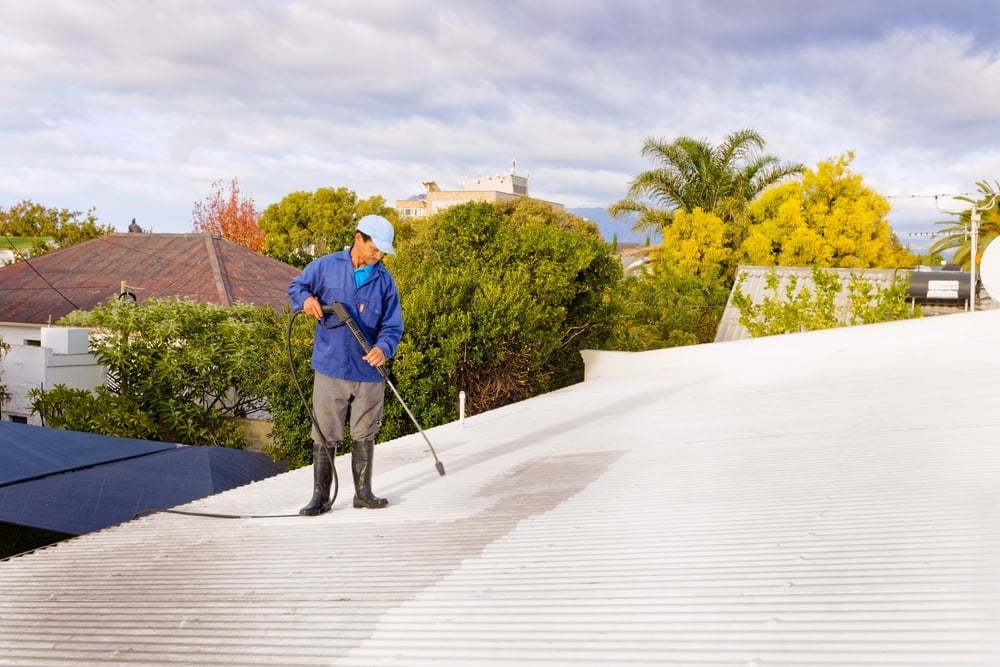
Professional high-pressure cleaning removes dirt, lichen, moss, and loose coatings. This step is critical, as inadequate cleaning leads to poor paint adhesion and uneven finishes.
2. Roof Inspection & Repairs
Before painting begins, cracked or broken tiles are replaced, and damaged areas are repaired. Painting over existing issues will not fix underlying problems and can make them worse.
3. Roof Repointing
Loose or deteriorated ridge capping is repointed using flexible compounds designed to move with the roof. This improves weather resistance and prevents water entry.
4. Primer Application
A professional primer seals the tile surface, improves paint adhesion, and ensures an even, long-lasting finish. Skipping this step often leads to premature failure.
5. Multiple Coats of Roof Paint
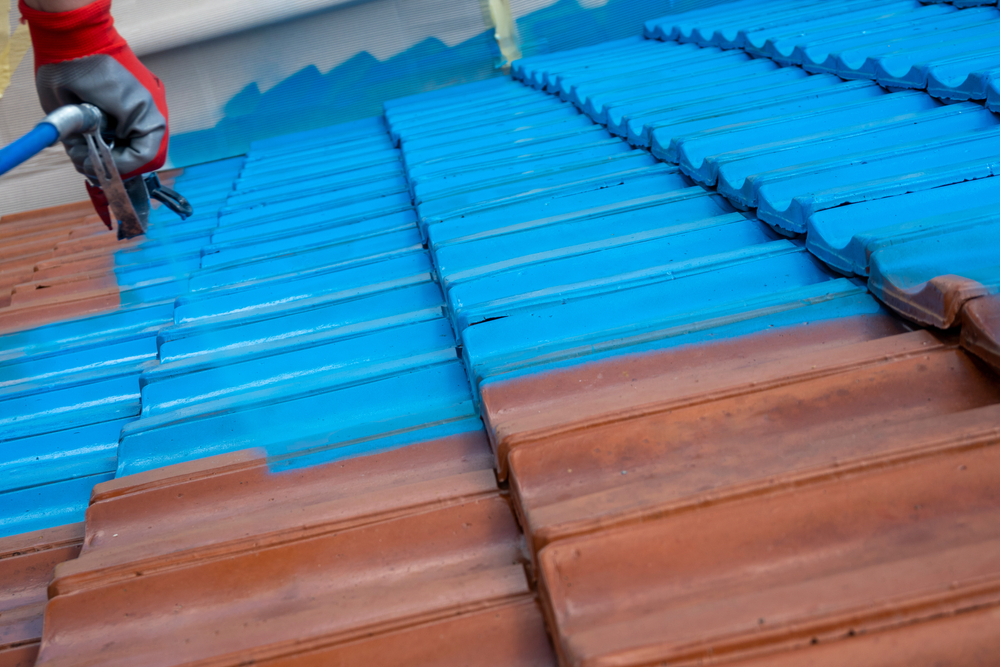
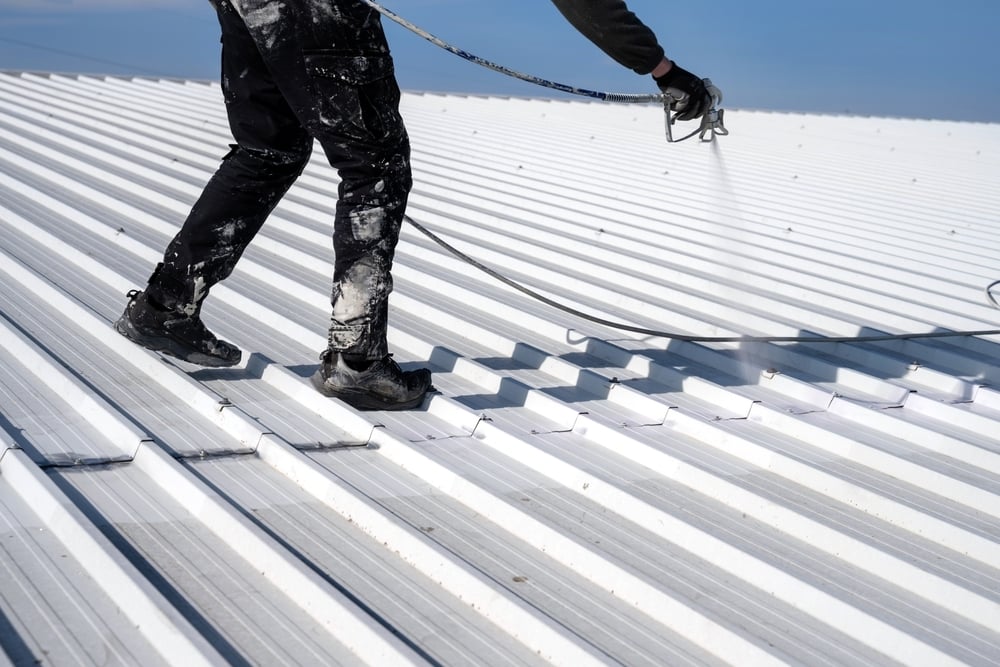
Two to three controlled coats are applied using professional spray equipment. Each coat is allowed to cure correctly before the next is applied.
6. Curing & Final Inspection
The roof is left to cure fully before any foot traffic occurs. A final inspection ensures full coverage, consistent colour, and proper sealing.
Long-Term Benefits of Professional Roof Painting
When completed correctly, roof painting can:
- Add 10–15 years to your roof’s life
- Reduce ongoing maintenance costs
- Improve energy efficiency
- Increase property value
- Protect against future weather damage
However, these benefits are only achieved through proper preparation, materials, and application, which is why professional roofing services are essential.
Trust Roo Roofing for Professional Roofing Services
At Roo Roofing, we specialise in professional roof repair and restoration services tailored to Queensland homes. Our experienced team uses premium products, proven processes, and industry best practices to deliver results that last.
Contact Roo Roofing today to book a professional roof inspection and receive expert advice on whether roof painting or restoration is right for your home.