



Oct
A decramastic roof is made from pressed steel sheets shaped to look like a row of roof tiles, then coated in bitumen and finished with fine stone chips. Many Brisbane homes built or re-roofed in the 1970s still have one. Early decramastic roof tiles can contain asbestos in the coating, so it’s important to know what you have before any repairs, cleaning or replacement go ahead.
This guide covers how to identify decramastic tiles, the asbestos risk, common problems, and what’s involved in replacing a decramastic roof.
What Is a Decramastic Roof?
Decramastic is a pressed metal tile roofing product, first made in New Zealand in 1957. It became popular in Australia during the 1970s, when it was marketed as a colour-fast, low-maintenance and cheaper alternative to older roofing materials. A similar product called Harveytile was also sold in Australia from the mid-1970s.
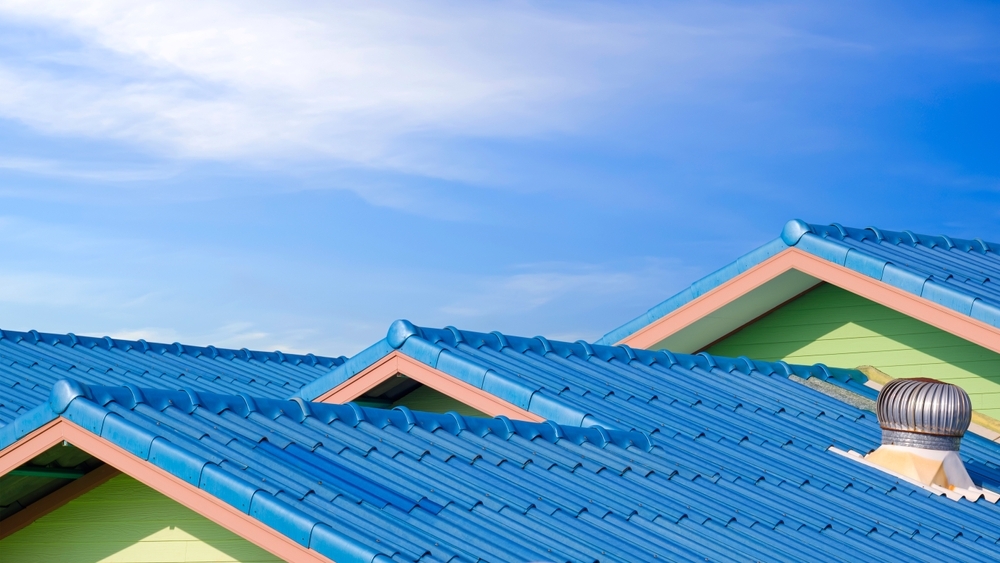
Each decramastic sheet is a piece of shaped steel with a bituminous coating on top. The stone chips pressed into the coating give it the look of a cement tile roof. In some homes, decramastic was installed over the original roof rather than replacing it, which matters when the time comes to replace it.
How to Tell If You Have Decramastic Roof Tiles
You can usually identify a decramastic roof from the ground. Look for:
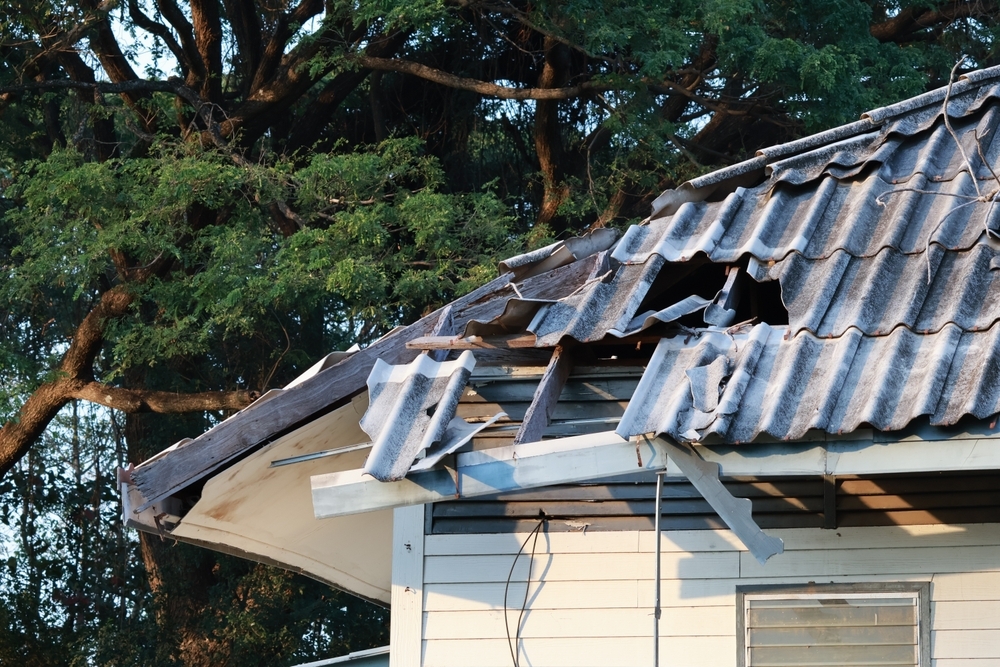
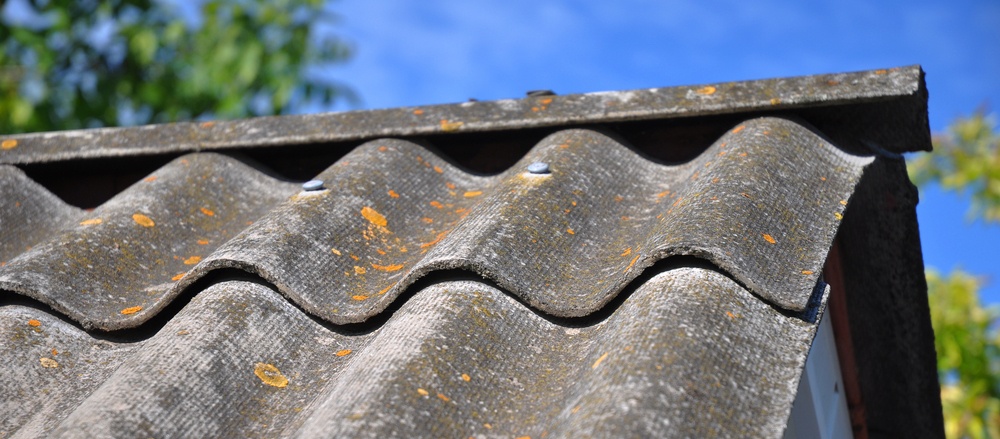
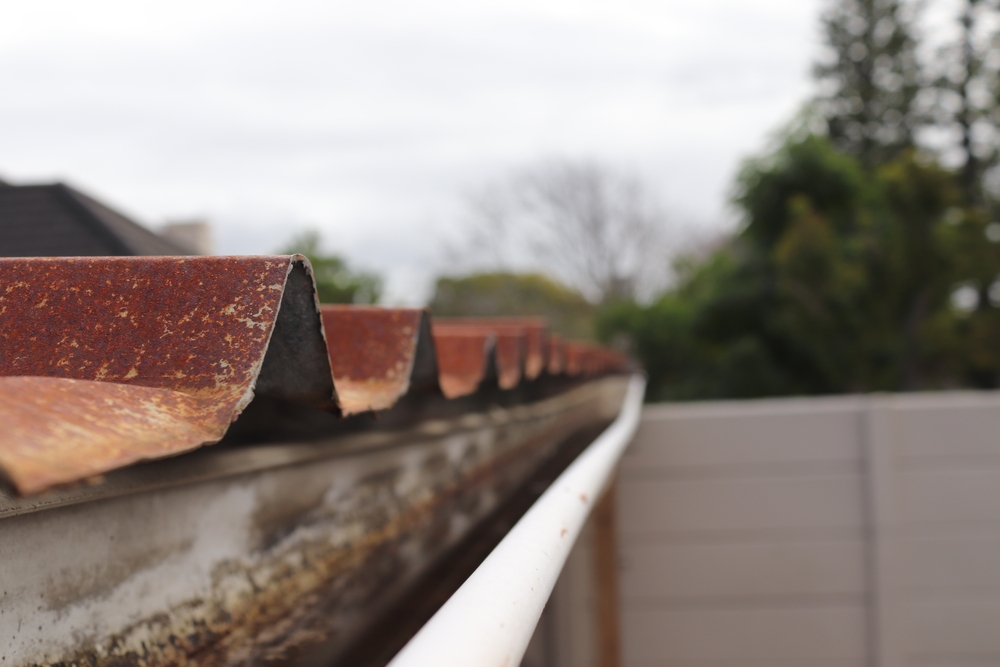
- Overlapping sheets. You’ll see rows of sheets rather than individual tiles, especially at the eaves.
- A gritty surface. The finish looks like sandpaper rather than smooth glazed or concrete tiles.
- Dents. Thin steel shows dents from hail, branches or foot traffic.
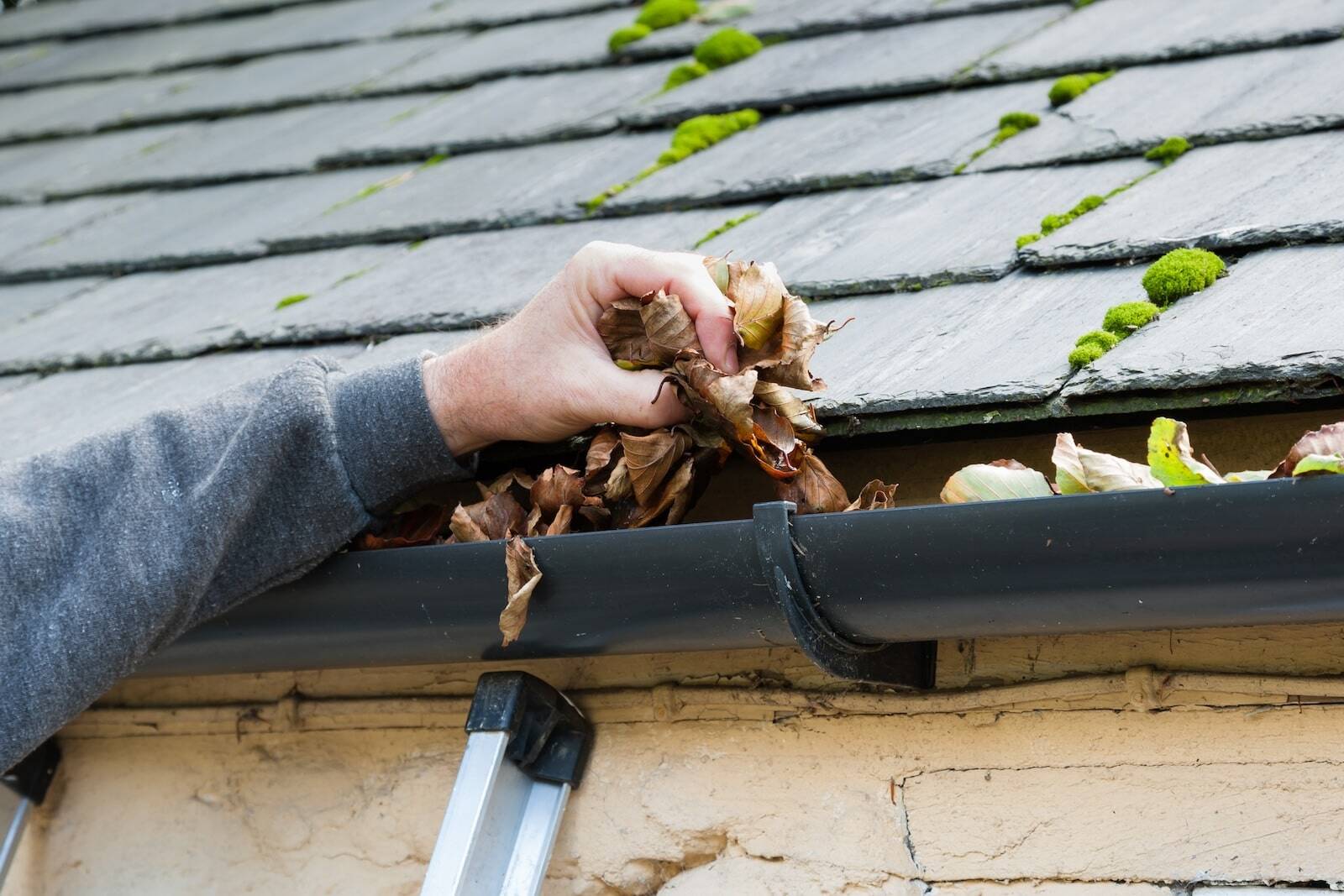
- Granules in the gutters. Stone chips wash into the gutters as the coating ages.
Please don’t climb onto the roof to check, or break off a piece. Walking on an ageing decramastic roof can damage it, and disturbing the coating is a risk if it contains asbestos.
Do Decramastic Roofs Contain Asbestos?
Some do. The Australian Government’s asbestos product guide notes that the bituminous coating on early decramastic sheets contained asbestos, and that asbestos-containing coatings were used until the early 1980s. Non-asbestos versions were sold from the early 1980s onwards, but the two can’t be told apart by looking at them.
That’s why the official advice is to assume asbestos is present until a sample has been tested by a NATA-accredited laboratory. Two other points are worth knowing:
- As the coating weathers, debris can build up in your gutters, so gutter debris may need to be treated with the same care.
- Some homes have older asbestos cement roof sheeting underneath the decramastic.
If your home has a decramastic roof, it doesn’t mean you’re in immediate danger. The risk comes from disturbing the material, through drilling, cutting, scraping, high-pressure cleaning or removal. Any of that work should only be done with proper testing and by appropriately licensed contractors, in line with Queensland’s asbestos regulations.
Common Problems With Decramastic Roofs
Decramastic was sold as low-maintenance, but most decramastic roofs in Brisbane are now well past their best. Common problems include:
- Coating breakdown. Sun and storms wear away the bitumen and stone chips, leaving bare patches.
- Rust. Once the coating has gone, the steel underneath starts to corrode.
- Dents and cracking. The thin sheets dent easily in hail and under foot traffic.
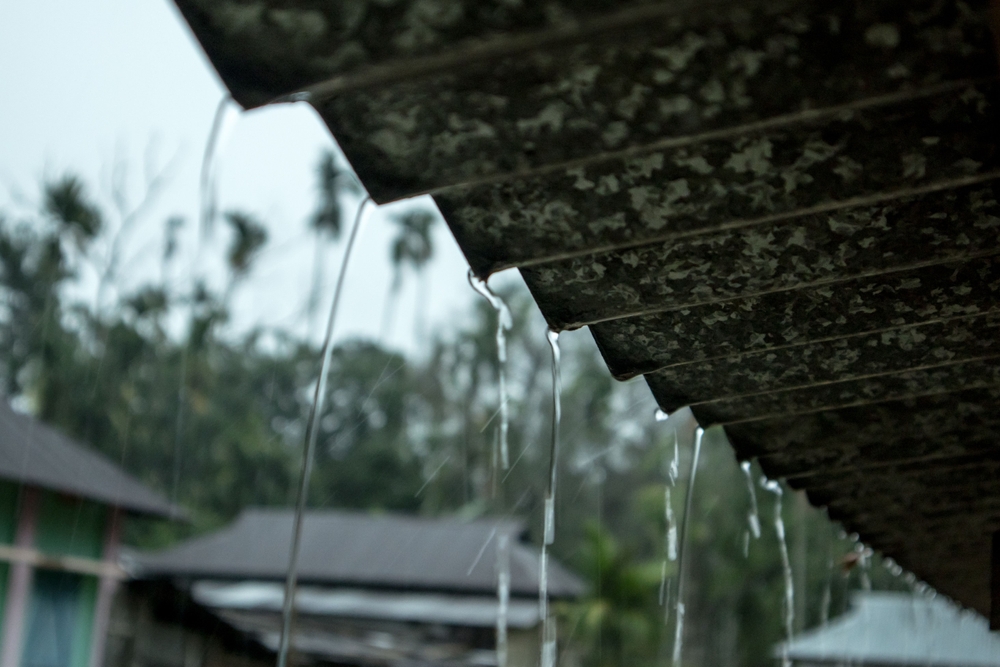
- Leaks. Gaps form at sheet overlaps and fixings, letting water into the roof space.
Can a Decramastic Roof Be Repaired or Restored?
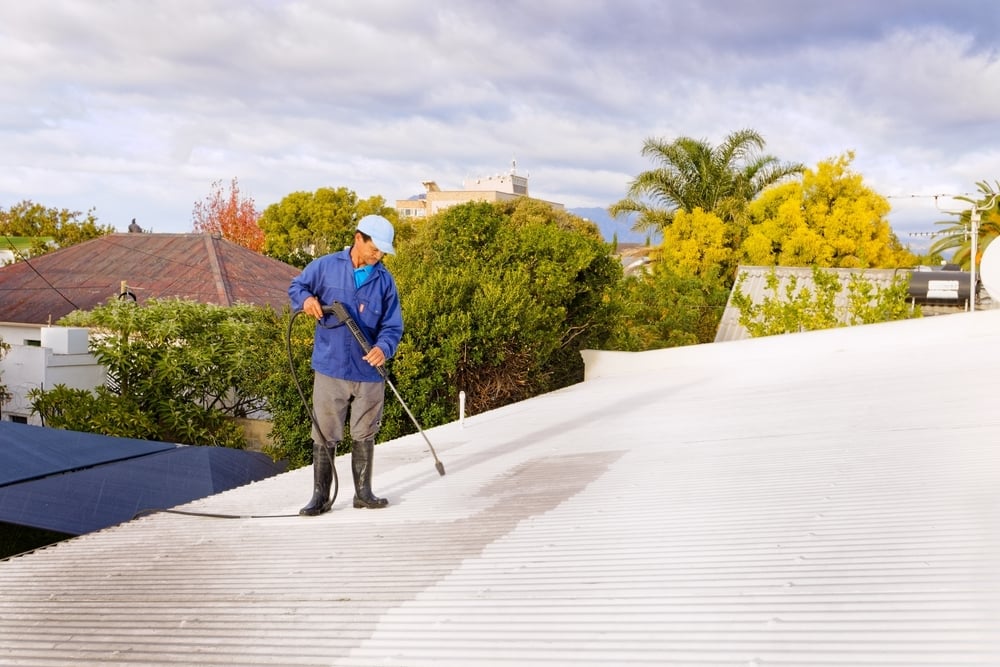
Small, isolated repairs are sometimes possible. However, once a decramastic roof is widely worn, rusting or leaking, repairs tend to become frequent and costly. Restoration methods that work well on concrete or terracotta tiles, such as high-pressure cleaning and recoating, are also a concern on a coating that may contain asbestos.
For most ageing decramastic roofs, full replacement is the more reliable long-term option.
Replacing a Decramastic Roof: What’s Involved
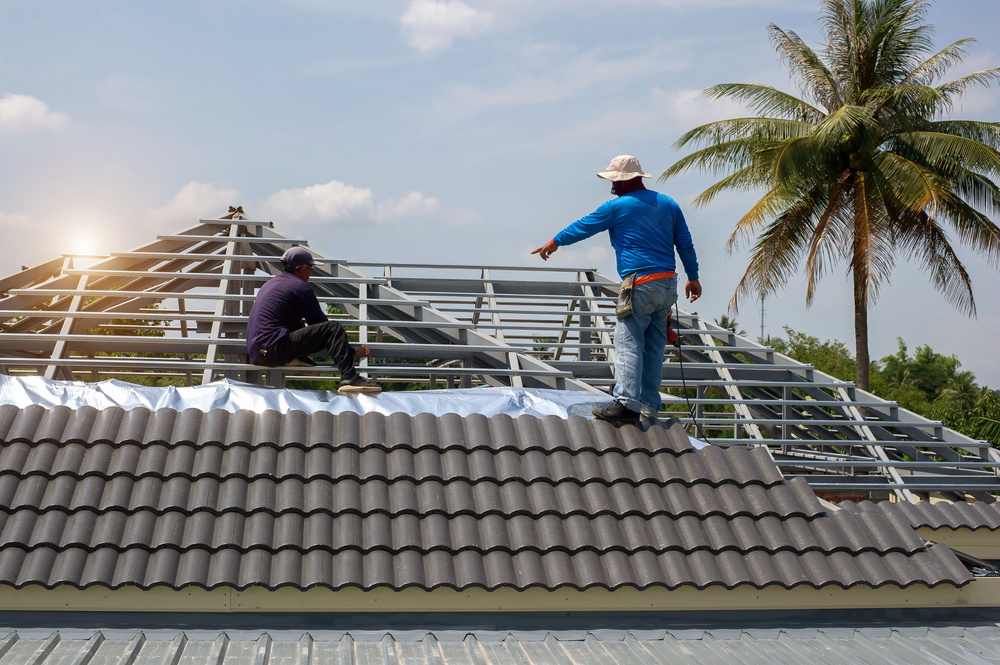
A typical decramastic roof replacement involves:
- Inspection and testing. The roof is assessed and, where needed, samples are sent for asbestos testing.
- Safe removal. The decramastic sheets are removed, along with any older roofing underneath. Asbestos-containing material is handled by licensed removalists.
- Gutter and roof space clean-up. Debris is cleared from the gutters and the roof cavity.
- Structural check. Battens and roof framing are inspected and repaired or replaced where needed.
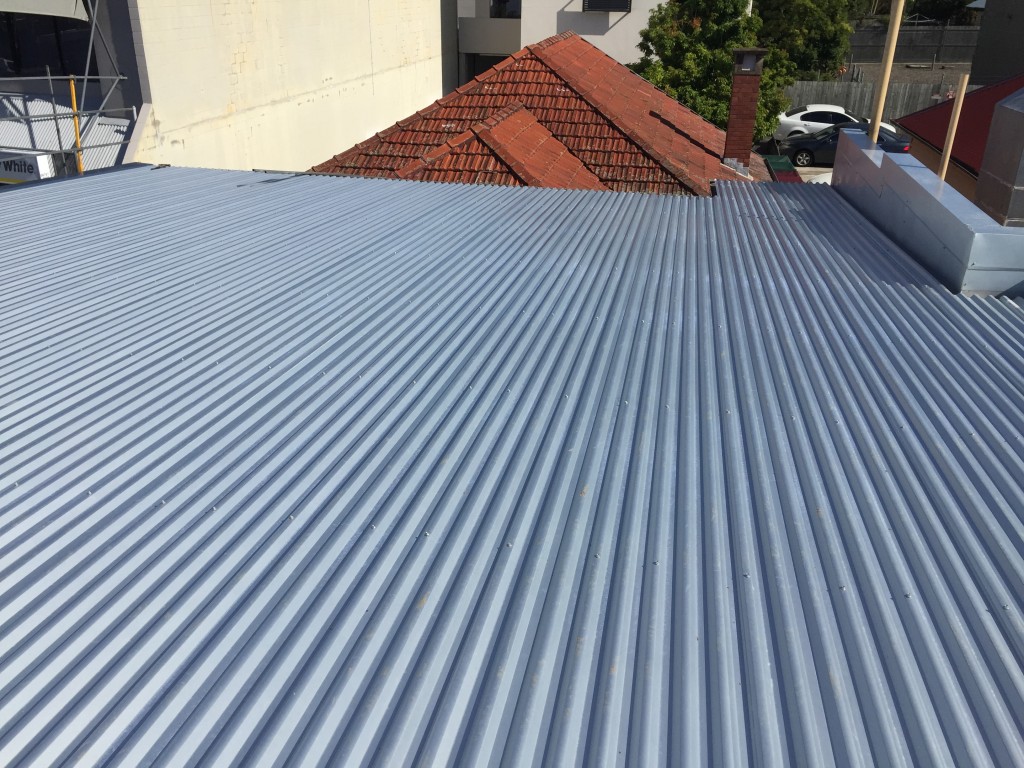
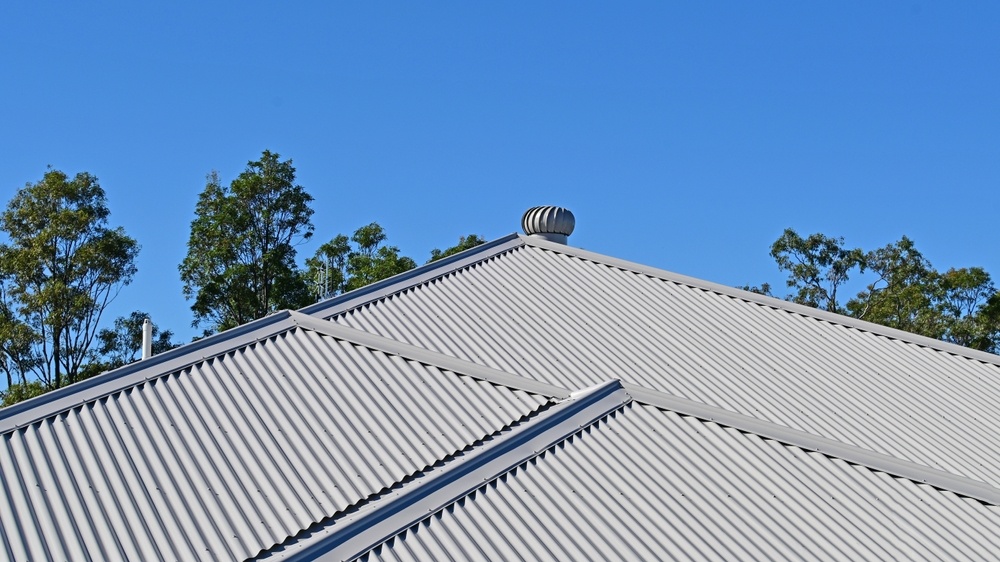
- New roof installation. A new Colorbond roof is installed, usually with new flashings, ridge capping and, where needed, new gutters.
How Much Does Decramastic Roof Replacement Cost?
The cost of replacing a decramastic roof depends on:
- the roof’s size and pitch
- whether asbestos is present and how much needs to be removed
- whether there’s an older roof underneath that also needs to come off
- the condition of the battens and framing
- the Colorbond profile and thickness you choose
- whether gutters, fascias or insulation are being replaced at the same time
The most accurate way to price your roof is an on-site inspection. Our free roof assessment gives you an itemised quote with no obligation.
Why Choose Roo Roofing for Your Decramastic Roof Replacement
Roo Roofing has more than 23 years of experience replacing and restoring Brisbane roofs. We’re QBCC licensed (#1147373) and Master Builders members.
Our roof replacements come with an installation warranty of up to 10 years, manufacturer warranties of up to 36 years and our Watertight Guarantee. We’ll explain every step, including asbestos testing and removal, so you know exactly what’s happening on your roof.
Frequently Asked Questions
Are Decramastic Roof Tiles Dangerous?
Decramastic roof tiles that contain asbestos are generally low-risk while left undisturbed. The risk comes from damaging or disturbing the coating through drilling, cutting, scraping, high-pressure cleaning or removal. Have the roof tested before any work is done.
How Do I Know If My Decramastic Roof Has Asbestos?
You can’t tell by looking. Asbestos content can only be confirmed by sampling and testing at a NATA-accredited laboratory. Until then, assume the coating contains asbestos.
What Is the Best Replacement for a Decramastic Roof?
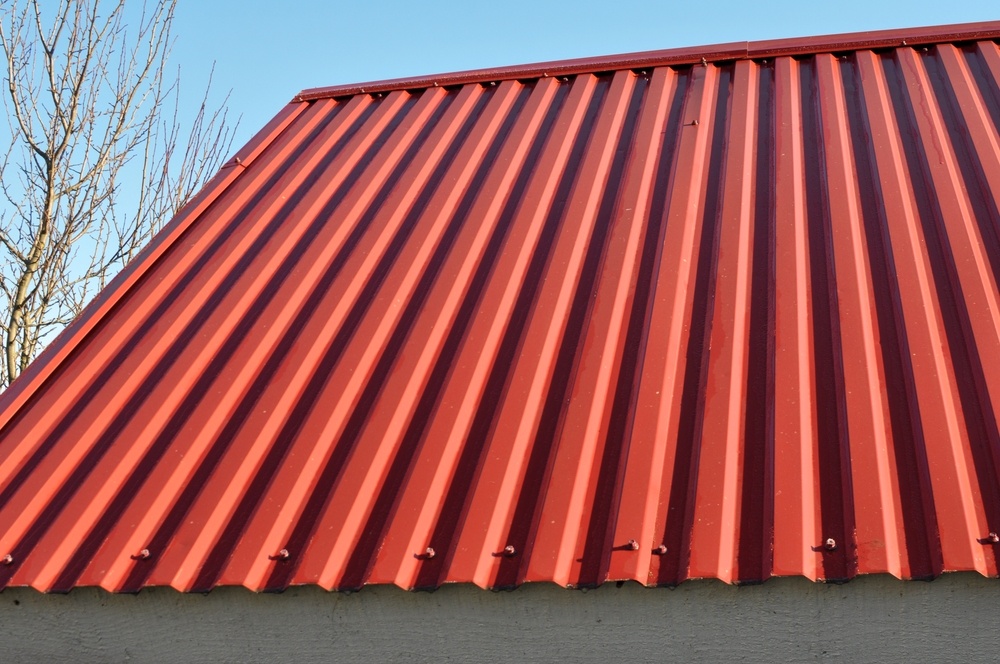
Most Brisbane homeowners replace decramastic with Colorbond steel. It’s lightweight, which suits roof framing designed for a metal roof, and it comes in a wide range of colours with long manufacturer warranties.
Can You Put a New Roof Over a Decramastic Roof?
In most cases, the old decramastic should be removed rather than covered over. This allows the battens and framing to be inspected, any asbestos to be dealt with properly, and the new roof to be installed and warranted correctly.
Book Your Free Decramastic Roof Assessment
If your decramastic roof is looking worn, rusting or leaking, our team can inspect it, arrange testing where needed and talk you through your options. Call 1300 734 148 or book your free roof assessment and quote. We’ll get back to you within 24 hours.