



May
Choosing the right roof tile colours for your home is one of the most important decisions in any roofing project. The hue you select affects your home's curb appeal, its resale value, and its ability to manage heat in Queensland's demanding climate.
Whether you're planning a full roof replacement, a roof restoration, or simply researching your options, this guide covers the most popular roof tile shades for 2026, what suits different home styles, and how to make a confident decision before committing.
Why Roof Colour Matters More Than You Think
Roof colour is not just about aesthetics. In Brisbane, where summer temperatures regularly exceed 30°C and UV exposure is intense year-round, your roof tone directly influences how much heat your home absorbs. Lighter tones reflect more solar radiation, while darker shades retain more heat, a real consideration when weighing up energy costs and comfort.
Your choice also needs to complement your home's exterior: brickwork, weatherboard, cladding, fascias, and gutters all interact with the roof to create an overall impression. Getting this balance right adds genuine value to the property.
Finally, if you live in a heritage overlay, body corporate estate, or neighbourhood with design guidelines, your options may be restricted. Always check with your local council before committing to a change.
Most Popular Roof Tile Colours in Brisbane for 2026
Based on current trends across the roofing industry and the growing demand we see from homeowners, here are the shades performing strongly in 2026.
1. Woodland Grey
Woodland Grey remains one of the most popular roof tile hues. It's a versatile mid-tone grey that reads as both modern and timeless, equally at home on a contemporary new build, a Queenslander renovation, or a post-war brick home. Its neutral undertone means it complements a wide range of exterior palettes, from white weatherboard to charcoal and deep heritage tones.
On Colorbond roofs, Woodland Grey sits comfortably in the mid-range of the spectrum, avoiding the heat retention of very dark roofs while still offering more visual depth than pale alternatives.
2. Slate / Shale Grey
Shale Grey and Slate variants offer a slightly lighter, cooler appearance than Woodland Grey. These tones have grown in popularity as homeowners choose cleaner, more contemporary aesthetics. They work particularly well on homes with white or light renders, pale brick, or Hamptons-style finishes.
For tiled roofs, concrete tiles in grey and slate tones offer a cost-effective way to achieve a modern look while maintaining durability suited to harsh weather conditions.
3. Terracotta and Earthy Reds
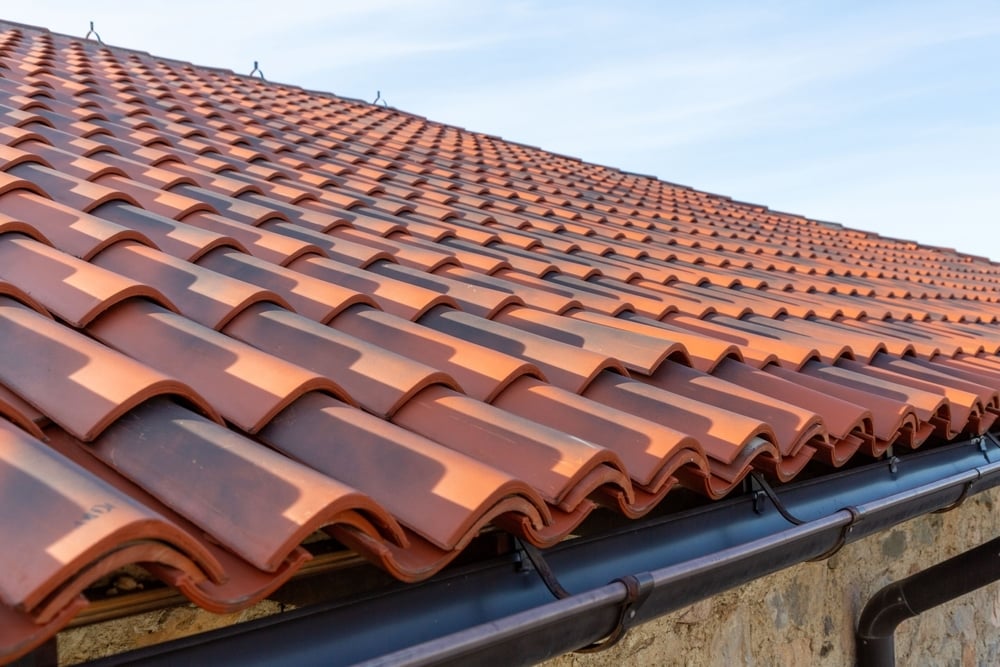
Terracotta remains a classic option, particularly in older suburbs where terracotta tiles are common on original post-war homes. While it has a more traditional feel than the grey palette, it continues to hold its own, especially when paired with warm brick, cream render, or heritage-style landscaping.
Restored terracotta roofs, when properly cleaned and recoated, can look impressive. Roo Roofing specialises in terracotta tile roof restoration, and a well-executed restoration can add years of life to an existing terracotta roof rather than replacing it outright.
4. Monument and Charcoal
Dark tones like Monument (a near-black deep charcoal with warm undertones) and Colorbond's Ironstone are increasingly selected for premium residential and architectural builds. They create a bold, high-contrast look that pairs strongly with white, grey, or concrete-toned exteriors.
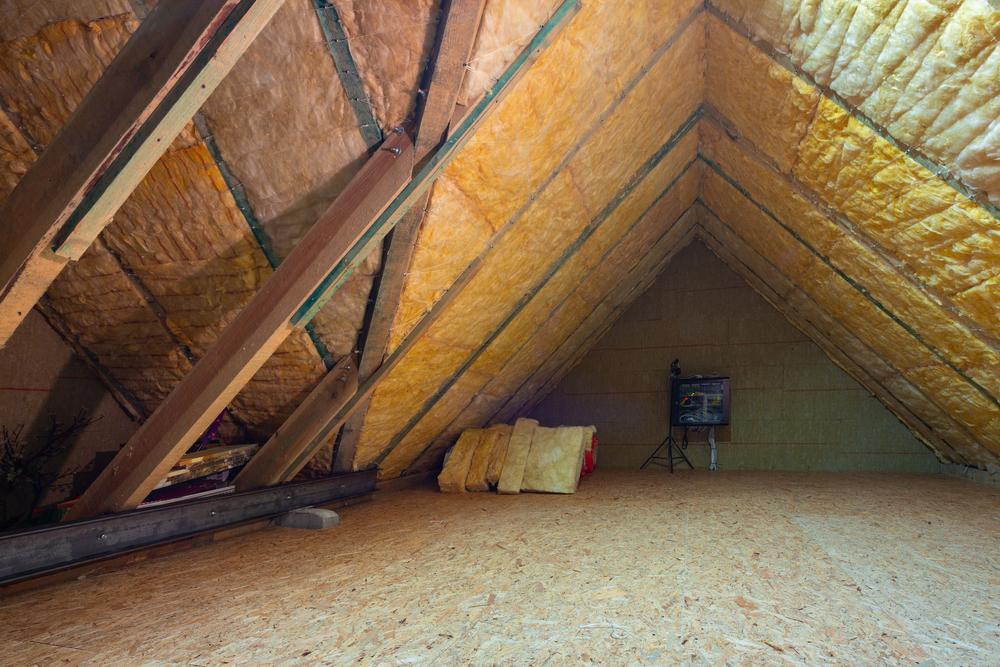
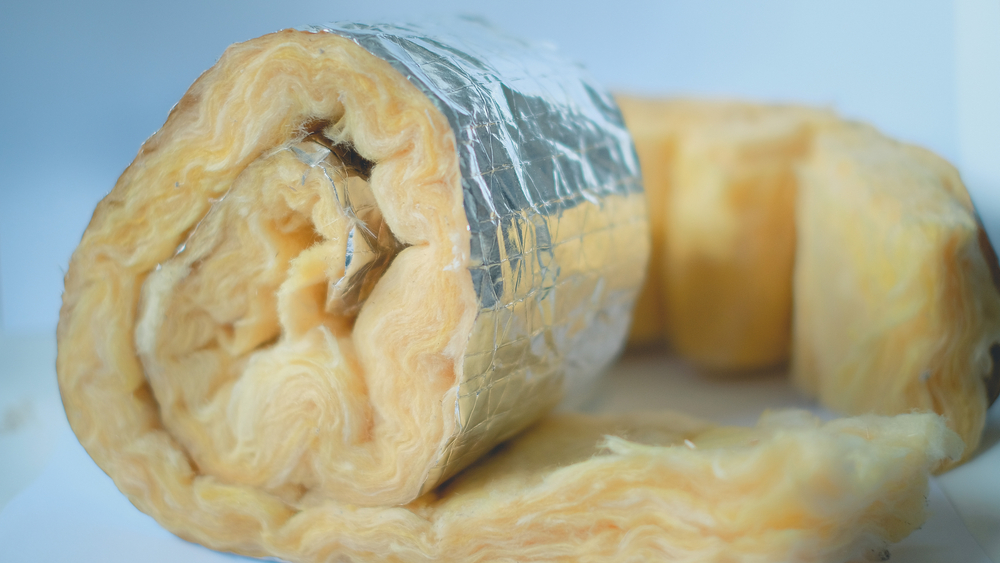
However, very dark roofs will absorb more heat. If you're opting for a dark shade, installing quality ceiling insulation is recommended to help keep your home cool.
5. Classic Cream and Off-White
Lighter tones including pale creams, off-whites, and light beiges are among the most energy-efficient options. They reflect a higher proportion of solar heat, helping to reduce heat load on the home during summer.
These tones suit Queenslanders, traditional homes, and period renovations particularly well. On concrete tile roofs, a quality roof restoration using a lighter-toned paint or coating can transform the look of an ageing roof without the cost of full replacement.
6. Blue and Blue-Grey Tones
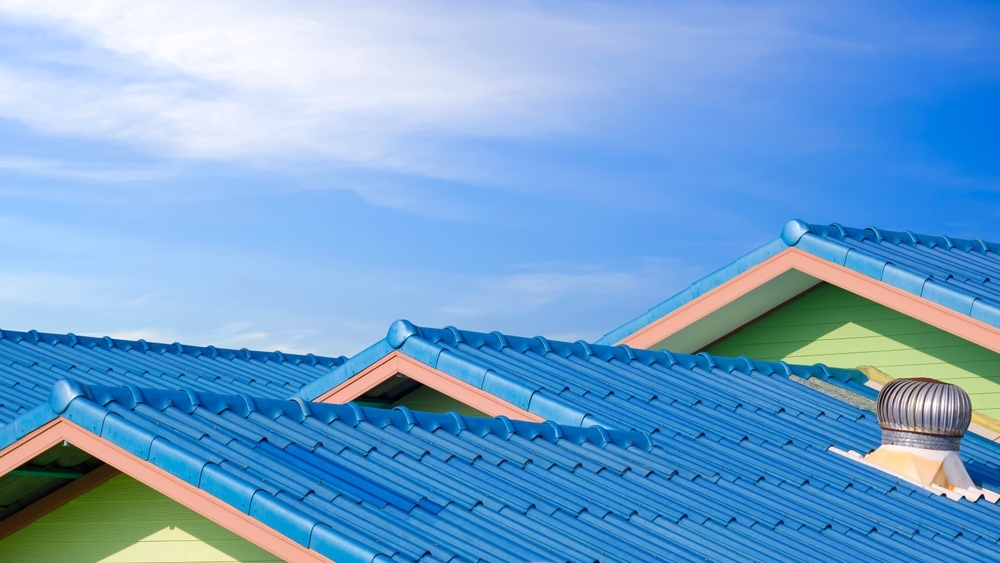
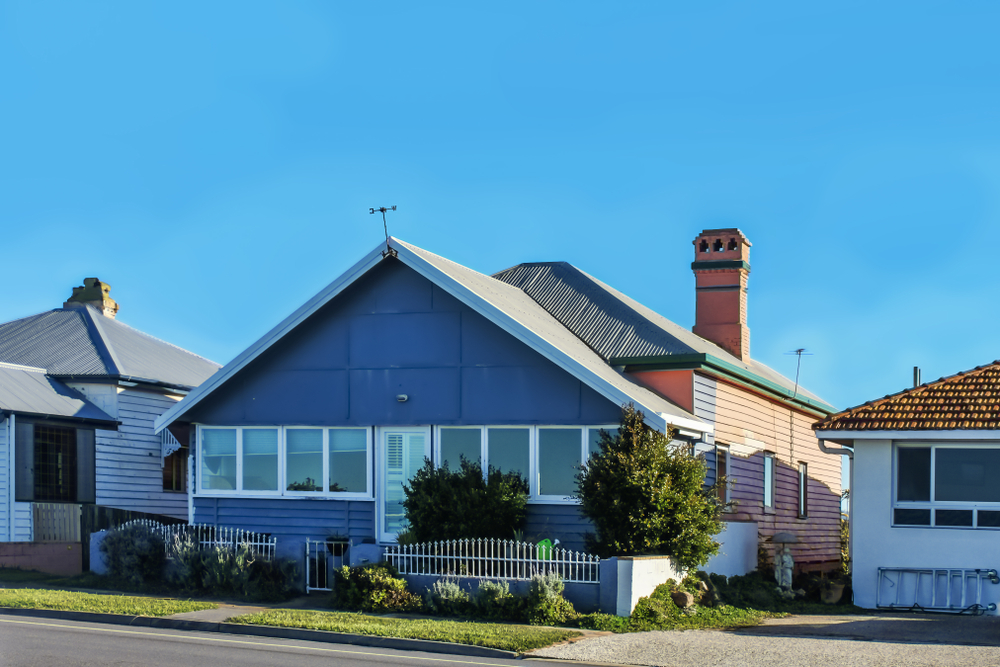
Blue and blue-grey tiles were once considered dated, but they've seen a quiet resurgence in specific contexts, particularly on older Queenslanders and character homes where a blue-grey roof sits naturally alongside timber and painted weatherboard. These are rarely the first choice for new builds but remain relevant in restoration work on period homes.
What's the Difference Between Colorbond and Tile Colours?
It's worth understanding that roof colour choices differ slightly depending on whether your roof is metal (Colorbond or Zincalume) or tile (concrete or terracotta).
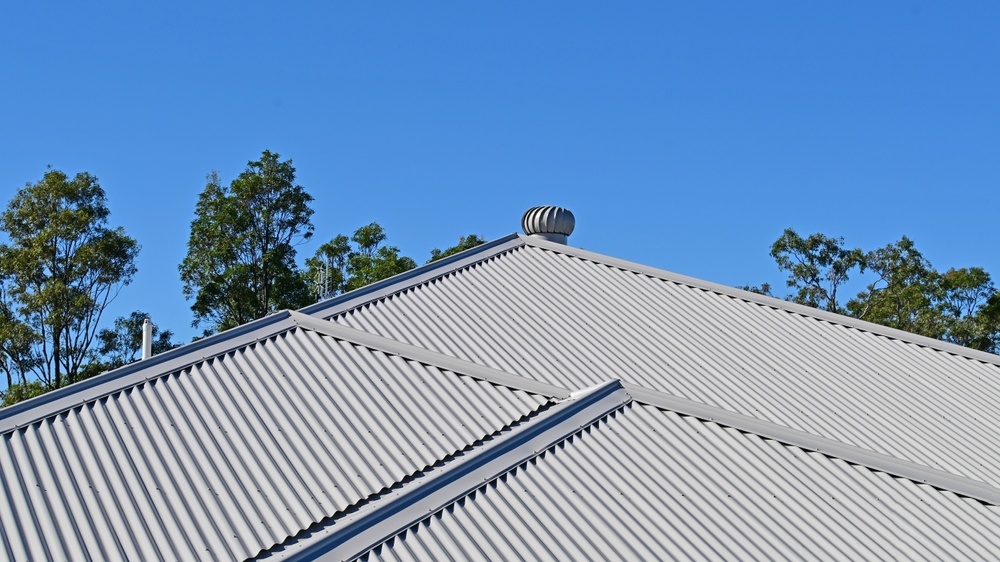
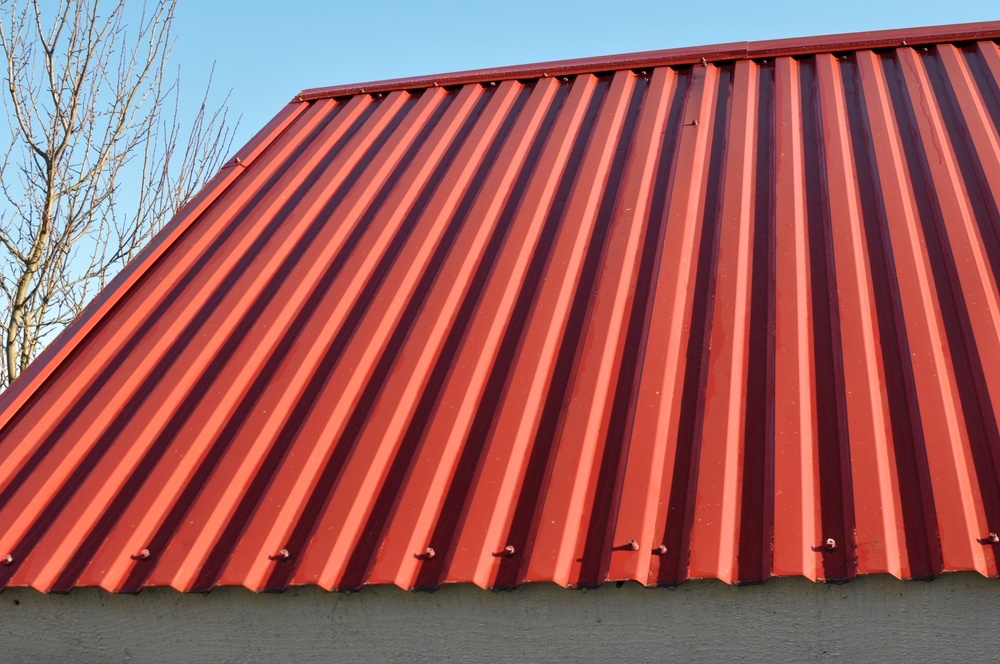
Colorbond colours are standardised and manufactured with UV-stable coatings designed to hold their appearance over decades. BlueScope Steel backs Colorbond with manufacturer warranties of up to 36 years in some circumstances. The full Colorbond range, including Woodland Grey, Shale Grey, Monument, Ironstone, and others, is available through Roo Roofing for metal roof replacements.
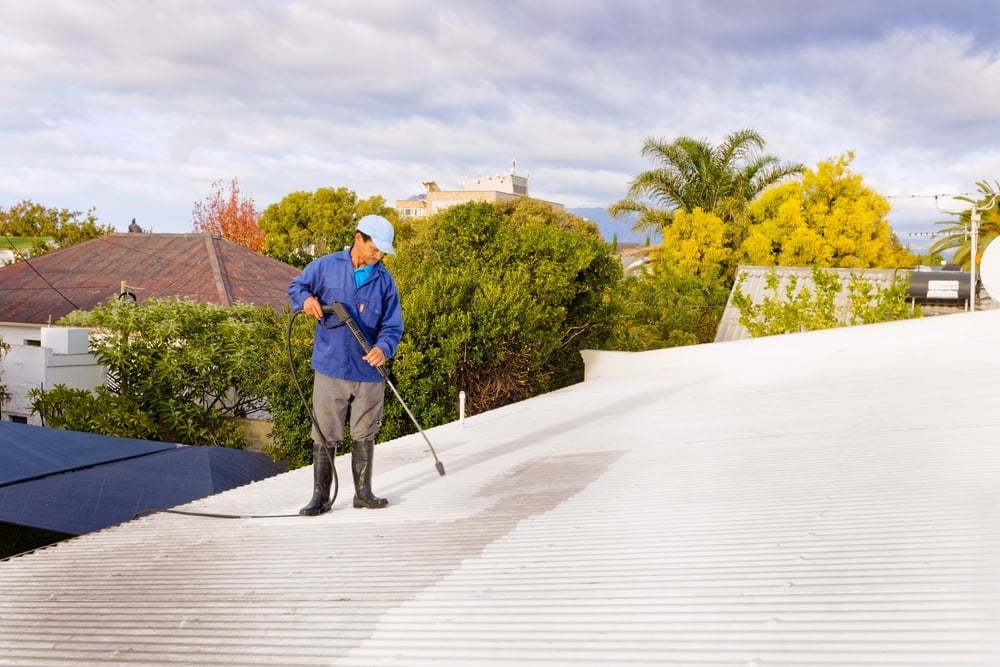
Concrete and terracotta tile colours are influenced by the manufacturer and product range. Restored tile roofs receive a fresh paint coat as part of the process, giving homeowners the opportunity to update the look at the same time. This makes roof restoration a practical option for those who want a change without the cost of full replacement.
How to Choose the Right Look for Your Home
There's no single right answer; the best roof option depends on several factors specific to your property. Here are some tips to guide your decision.
- Match your exterior palette: consider your brickwork, cladding, render, gutters, and fascias
- Consider your home style: Queenslanders, contemporary builds, and period homes each suit different palettes
- Think about heat: lighter shade absorb less heat, an important consideration for summer
- Check your local requirements: council, heritage overlays, and body corporate rules may limit your options
- Use physical samples: on-screen colours don't always match real-world appearance; ask for samples before committing
- Consider your street: an outlier tone can affect resale value in some areas
What About Asbestos Roof Tiles?
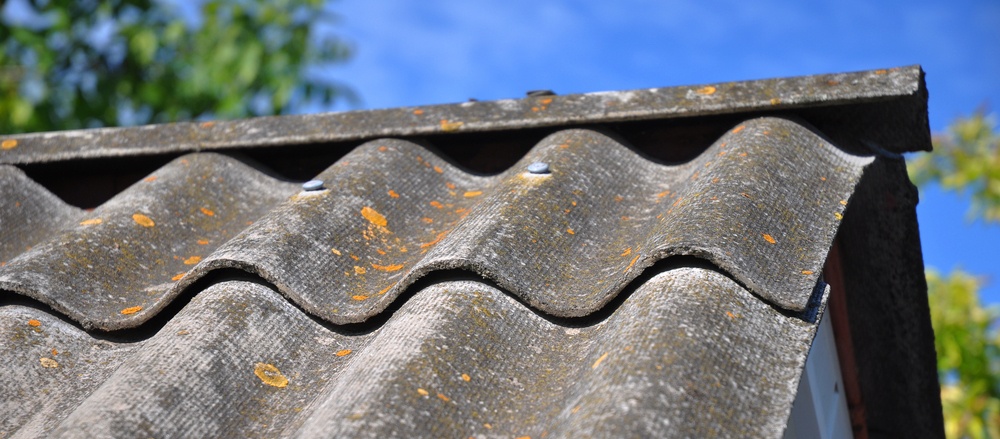
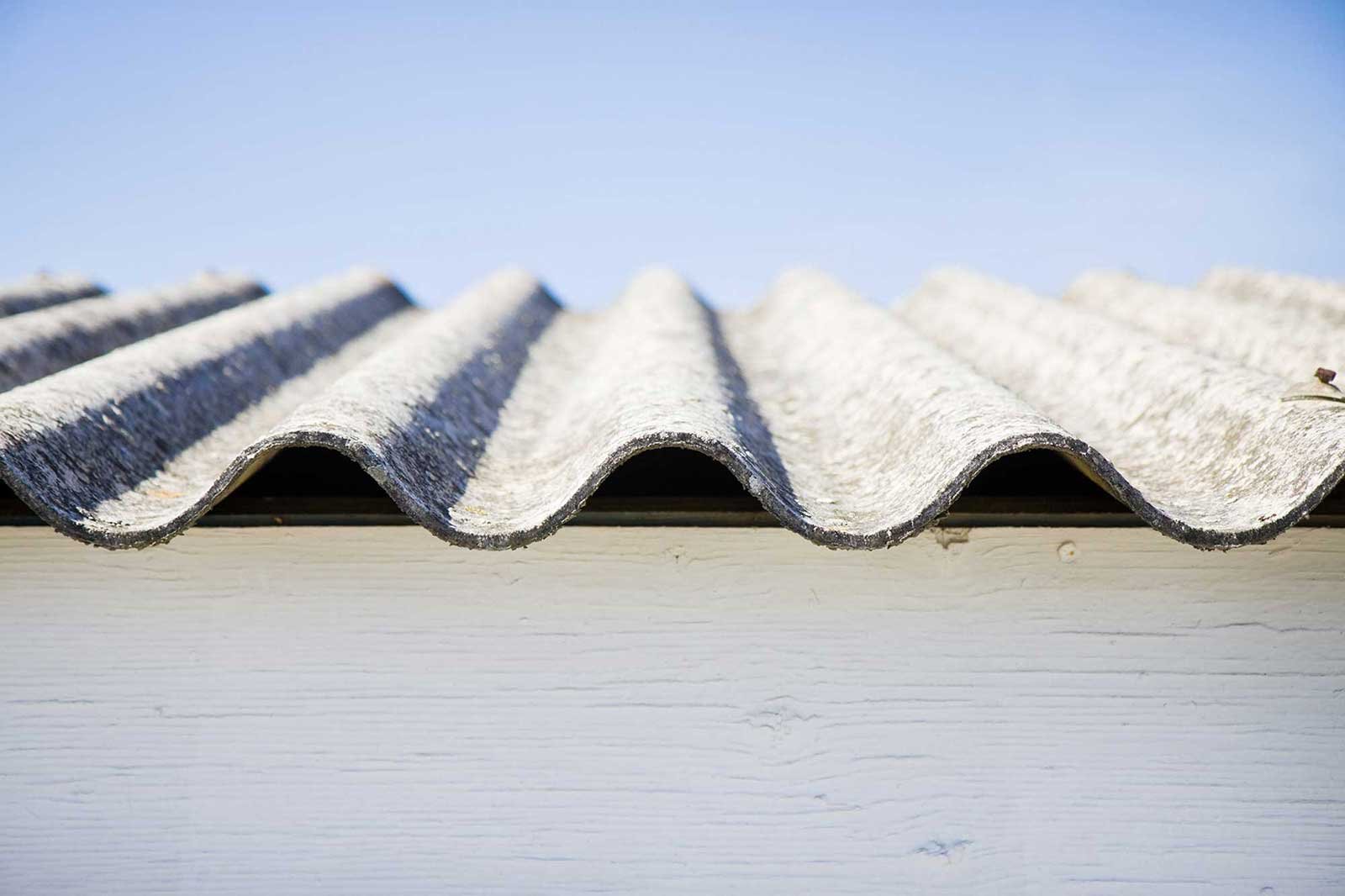
Many Brisbane homes built before the mid-1980s still have asbestos-containing roofing materials, including some tile systems and flat sheet roofing. If your home falls into this category, colour selection must wait until after a formal asbestos assessment has been completed by a licensed professional.
Asbestos roof removal must be carried out by appropriately licensed contractors and disposed of through approved facilities. Roo Roofing handles asbestos roof removal and replacement as part of our service offering, managing the process from assessment through to installation of your new roof in your preferred shade and material.
Book a Free Roof Consultation with Roo Roofing
With over 23 years of roofing experience, Roo Roofing has helped thousands of homeowners choose the right roof for their property. Whether you're planning a full roof replacement, a restoration, or simply exploring your options, our team can walk you through the available colours and provide a free, no-obligation quote.
We use quality Colorbond and Zincalume products for metal roofing, and work with leading tile manufacturers for tiled roof projects. We are fully licensed, and all work is backed by up to a 10-year installation warranty.
Call us today on 1300 734 148, or book your free roof consultation online.