



Feb
If you live in an older Brisbane home, it’s natural to wonder whether your roof contains asbestos. And if that thought has crossed your mind, you’re probably also asking: what does asbestos insulation look like?
Asbestos was considered a miracle building material. It was strong, fire-resistant and affordable, making it a popular choice in Australian construction from the 1940s through to the late 1980s. Although a complete national ban wasn’t introduced until 2003, most residential use had already been phased out by 1990.
So, if your home was built before 1990, there’s a reasonable chance that asbestos insulation or asbestos roofing materials could be present.
Knowing what to look for is an important first step, particularly if you’re planning roof repairs, re-roofing or renovations.
Why Asbestos Was Used in Insulation
For decades, asbestos was added to insulation products because it handled heat extremely well and improved fire resistance. In Queensland’s climate, it was commonly installed in roof cavities, ceilings and around ductwork to help regulate temperature.
It was also used in asbestos roofing sheets and under-roof insulation, making it particularly relevant for homeowners considering roofing work today.
While asbestos materials in good condition may remain stable, problems arise when they are damaged, drilled, cut or disturbed, as this can release dangerous fibres into the air. When breathed in, these fibres can cause serious health concerns.
What Does Asbestos Insulation Look Like?
The challenge is that asbestos insulation doesn’t have one single appearance. It depends on the product used. We’ll explore the common types of asbestos insulation below.
Loose Fill Asbestos Insulation
One of the most hazardous types is loose fill asbestos insulation. This material was often blown into roof cavities and can still be found in some older homes.
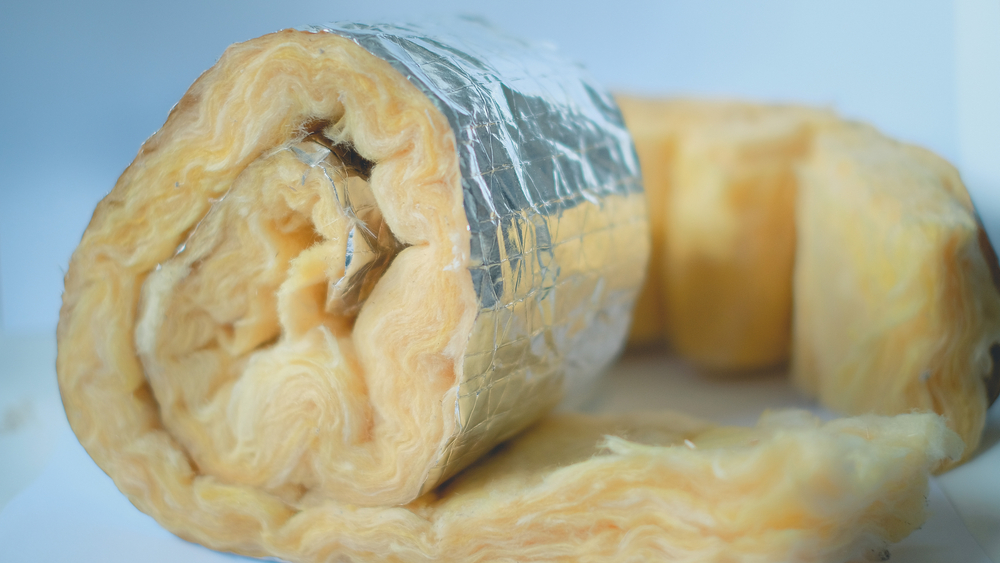
It typically looks soft and fluffy, similar to shredded paper or fibrous cotton. The colour is usually grey, white or off-white. Because it’s lightweight and crumbly, it can release fibres very easily if disturbed.
If you’ve climbed into your roof space and noticed loose, fluffy insulation in a pre-1990 home, it’s essential not to touch it or move it until it’s professionally assessed.
Asbestos Insulating Board
Asbestos insulating board (AIB) was commonly used in ceilings and internal walls. Visually, it appears as flat grey sheeting. It can look similar to modern fibre cement boards, which is why visual identification alone isn’t reliable.
However, insulating boards tend to be softer than cement sheeting. If damaged, the edges may appear slightly fibrous or rough rather than clean and sharp. Over time, ageing boards can crack, flake or bow slightly.
Asbestos Ceiling Insulation
Asbestos ceiling insulation can appear in several forms. In some homes, it’s present as flat fibro ceiling sheets. In others, particularly mid-century properties, it may be part of textured “popcorn” ceilings used for soundproofing.
Popcorn ceilings have a raised, bumpy surface. While not all textured ceilings contain asbestos, many installed before the late 1980s did.
Ceiling cavities may also contain older insulation materials that include asbestos fibres. If ceilings are cracked, sagging or water-damaged, disturbing them during repairs can increase risk.
Asbestos Roofing and Roof Insulation
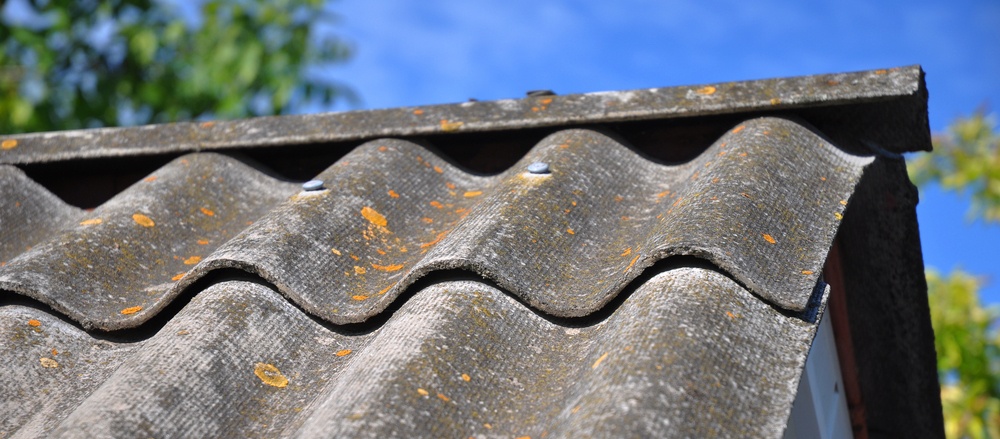
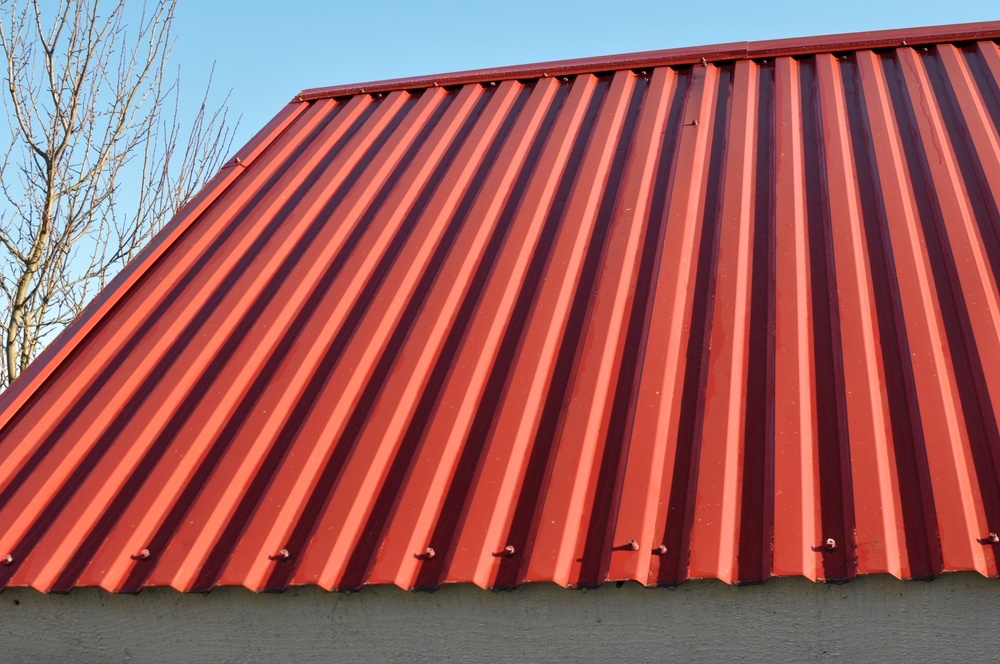
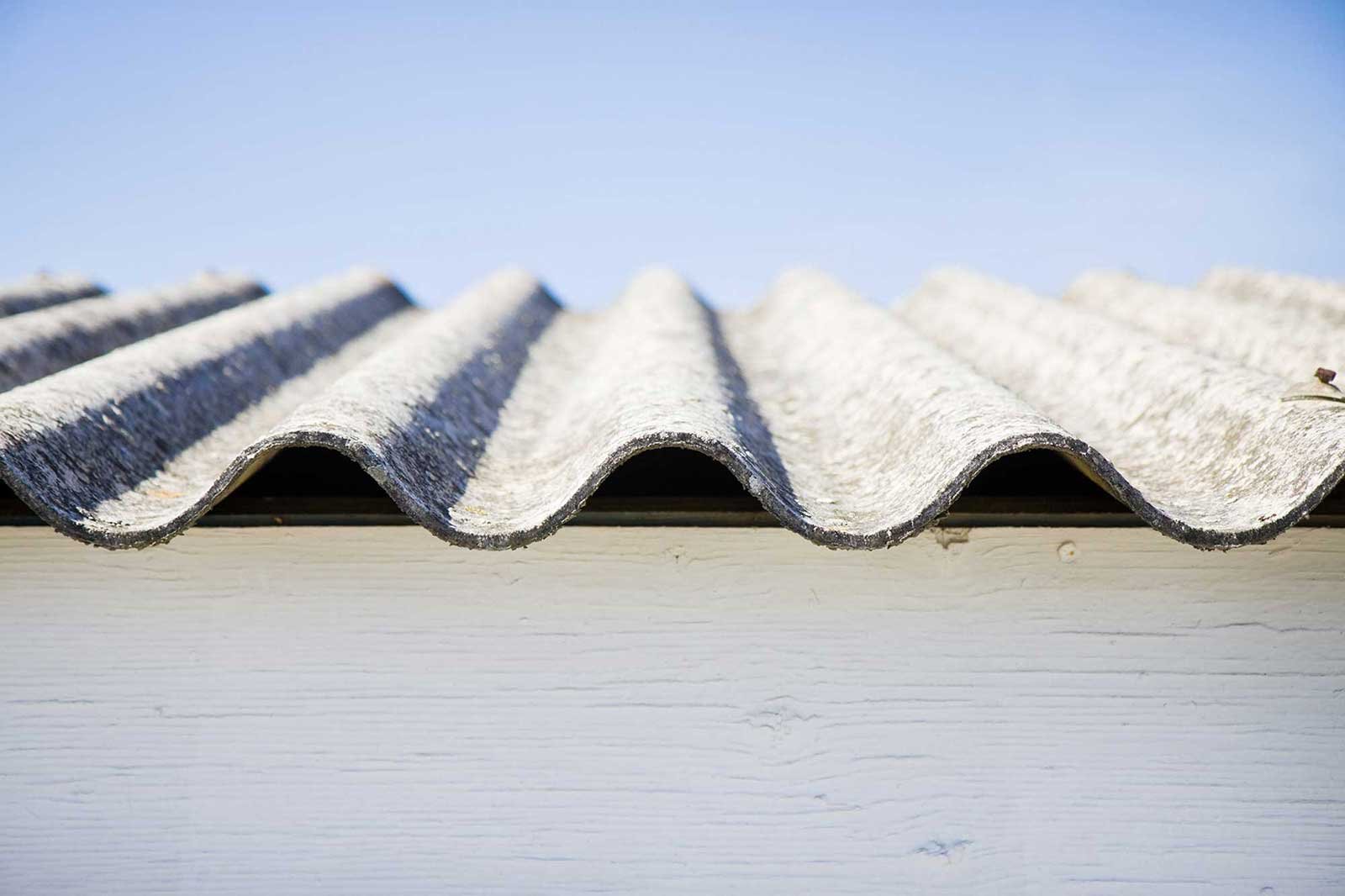
Asbestos roofing was extremely common across Brisbane suburbs. Corrugated fibro sheets on older homes, garages and sheds are a typical example.
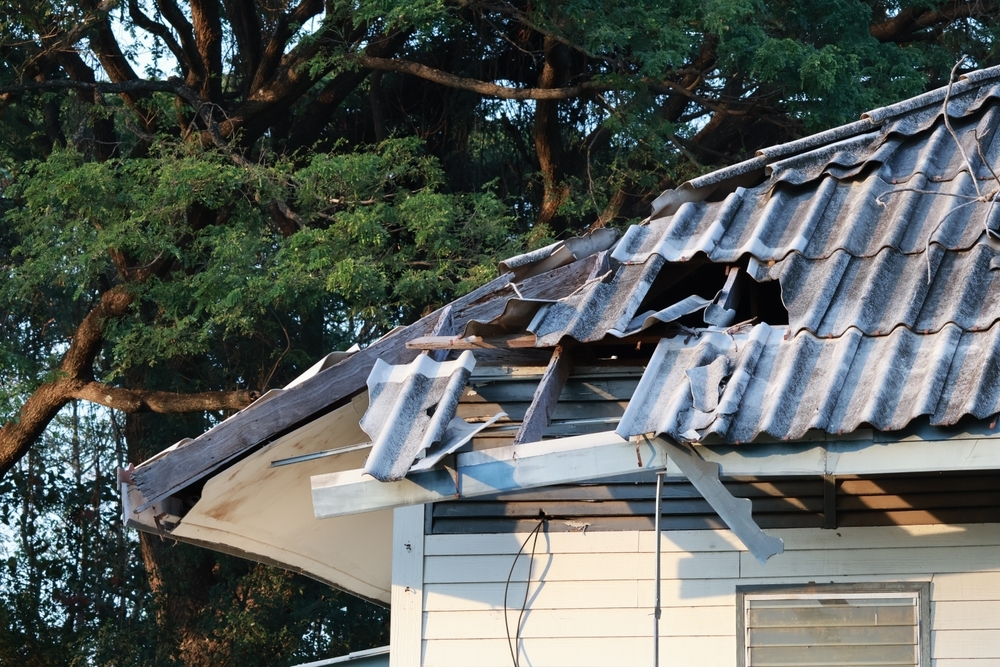
These sheets usually appear grey and slightly brittle with age. You may notice weathering, surface moss or minor chipping along edges. While they can look solid, asbestos roofing materials become more fragile over time.
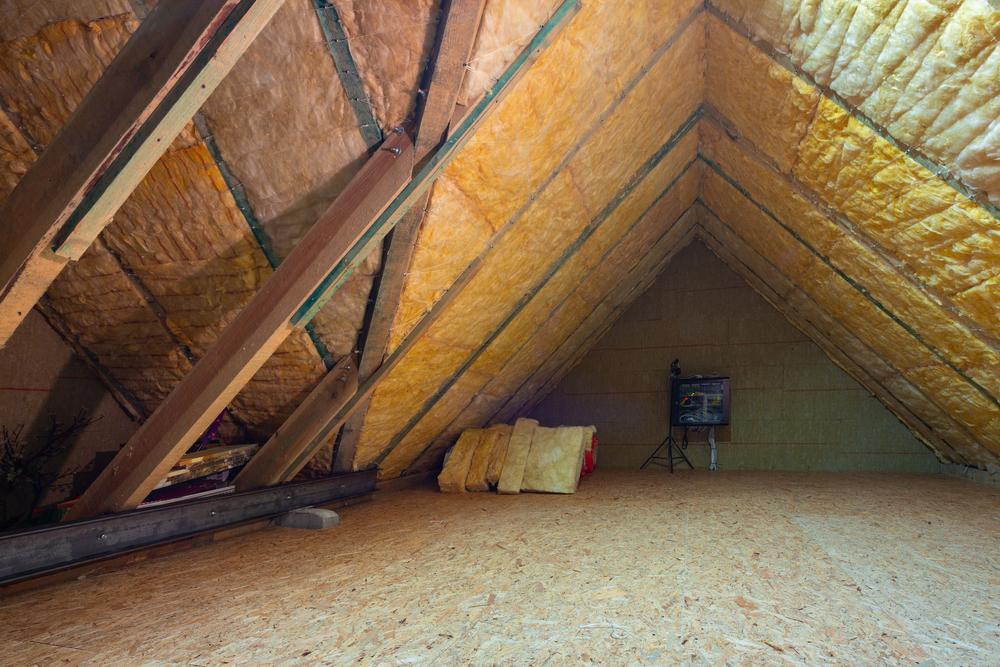
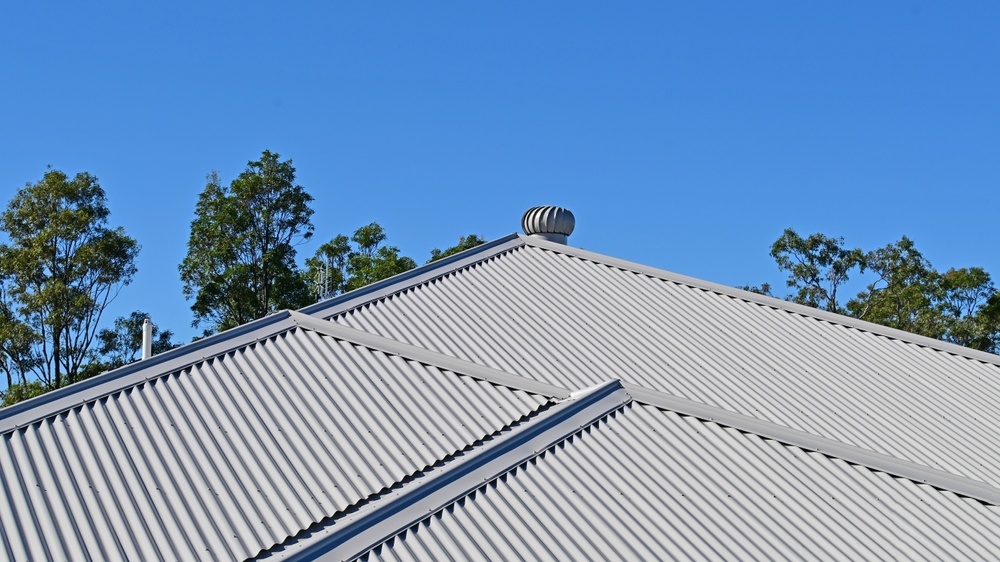
Asbestos roof insulation may also sit beneath older metal roofing or within roof cavities. Before any roof replacement project, checking for asbestos is a critical safety step.
Can You Tell Just by Looking?
Unfortunately, no. Many asbestos products look nearly identical to modern materials. Even experienced professionals cannot confirm asbestos simply by sight. Laboratory testing is the only way to know for certain.
That said, common signs can include:
- Homes built before 1990
- Original fibro sheeting still in place
- Older corrugated roofing
- Deteriorating ceiling sheets
- Insulation in roof cavities that appears loose or fibrous
If you’re unsure, it’s always better to assume it could be asbestos until proven otherwise.
Is Asbestos Always Dangerous?
Asbestos becomes dangerous when fibres are released into the air and inhaled. This typically happens during renovation, demolition, roof replacement or storm damage.
Undisturbed asbestos in good condition presents lower risk. However, ageing roofing materials, cracked ceiling sheets or DIY renovations can quickly change that.
That’s why asbestos roof insulation and friable materials must only be handled by licensed professionals under strict Queensland safety regulations.
What Should Brisbane Homeowners Do?
If you suspect asbestos insulation in your home:
- Avoid disturbing the material
- Do not enter roof spaces unnecessarily
- Never attempt DIY removal
- Arrange professional testing
- Engage licensed asbestos removalists
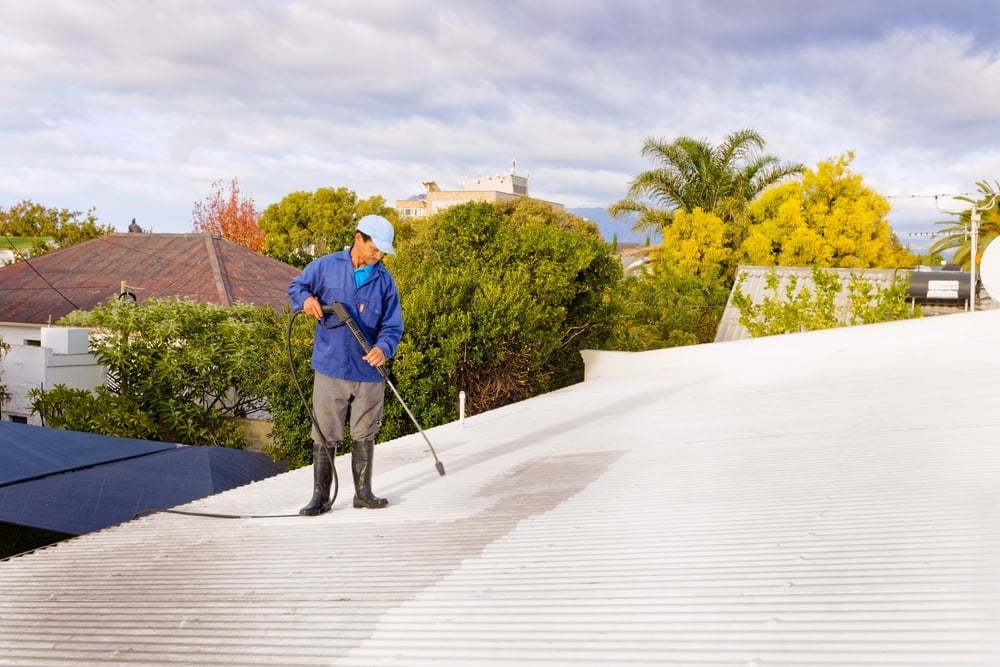
If you’re planning roof restoration, re-roofing or installing solar panels, asbestos checks should be part of the process.
Peace of Mind Starts with a Professional Roof Inspection
For many Brisbane homeowners, concerns about asbestos arise when roofing work is already needed. The safest approach is to assess the roof properly before any repairs begin.
Roo Roofing provides thorough roof inspections across Brisbane and surrounding areas. If asbestos roofing or asbestos roof insulation is identified, we coordinate compliant, safe solutions in line with Queensland regulations.
If you’re unsure what’s in your roof, book a professional inspection with Roo Roofing today. Our experienced team will help you understand exactly what you’re dealing with, and the safest way forward.