



Nov
Get your roof ready for storm season before the first big storm, which in Brisbane usually means October or November. This roof maintenance checklist covers 12 things to check on your roof, gutters, yard and ceilings.
Queensland’s severe weather season runs from October to April, according to the Bureau of Meteorology. Southern Queensland’s highest risk of severe thunderstorms is between October and December. Learn more in our storm season ebook.
When following this list, we recommend that you do every check from the ground, a stable ladder at gutter height, or inside the house. Don’t climb onto the roof.
Quick Answer: The Storm Season Roof Checklist
- Check for cracked, slipped or missing tiles
- Inspect ridge capping and pointing
- Look for loose or missing roof screws
- Check for lifted sheet edges
- Note any rust spots
- Check flashings around chimneys, skylights and vents
- Clean out gutters and downpipes
- Check gutters for sagging, rust and leaks
- Trim overhanging branches
- Secure loose items in the yard
- Check inside for signs of a leak
- Book a roof inspection if anything looks off
1. Check for Cracked, Slipped or Missing Tiles
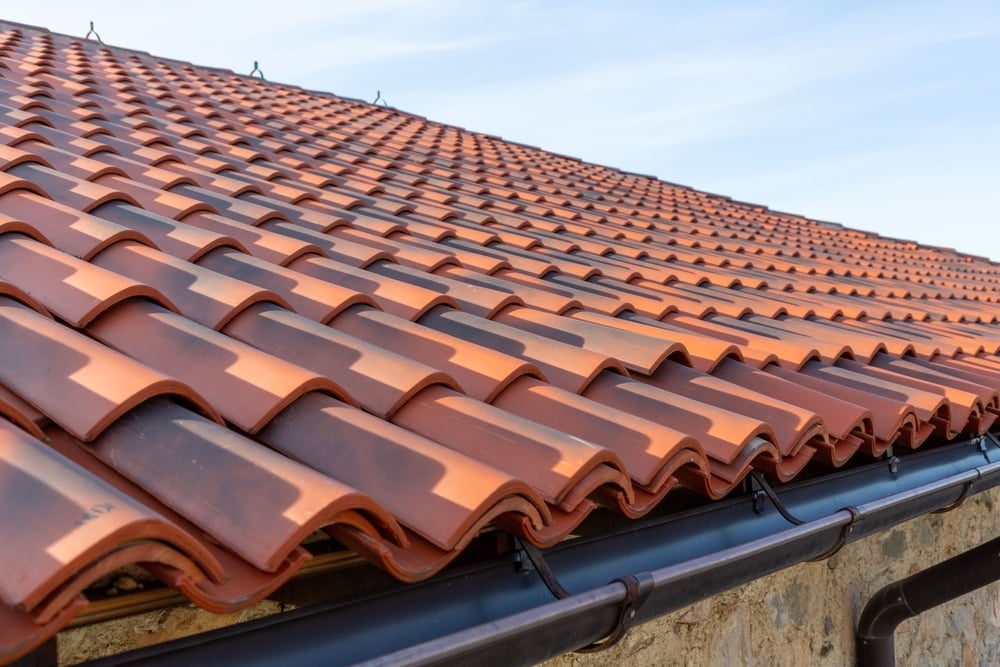
On a concrete or terracotta roof, scan each roof face from the yard for tiles that are broken or out of line. A pair of binoculars helps. One displaced tile is enough to let wind-driven rain in.
2. Inspect Ridge Capping and Pointing
Look at the caps along the peaks and hips of a tiled roof. If the mortar or pointing holding them in place is cracked or crumbling, they can lift in strong winds. Our guide to roof repointing costs explains what the repair involves.
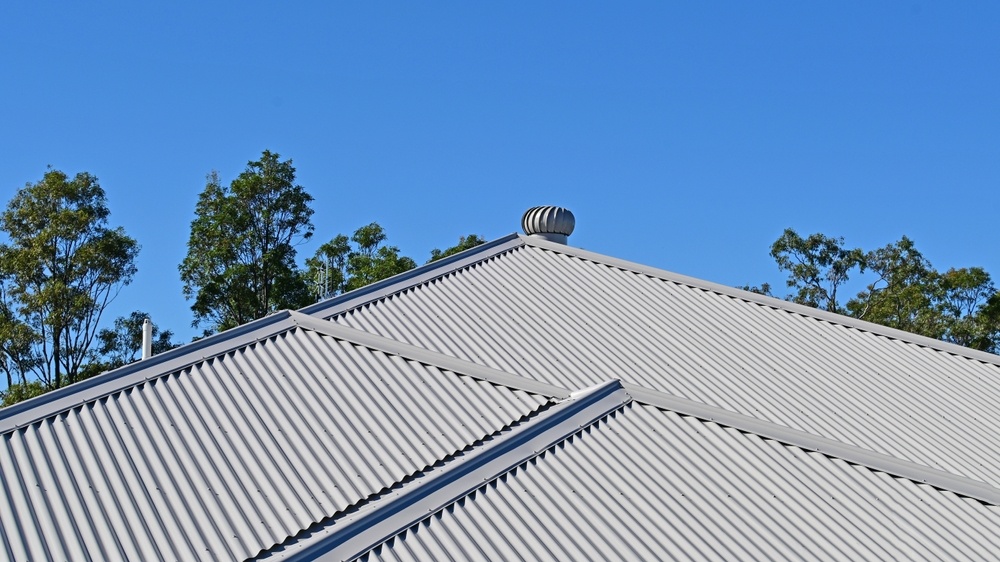
3. Look for Loose or Missing Roof Screws
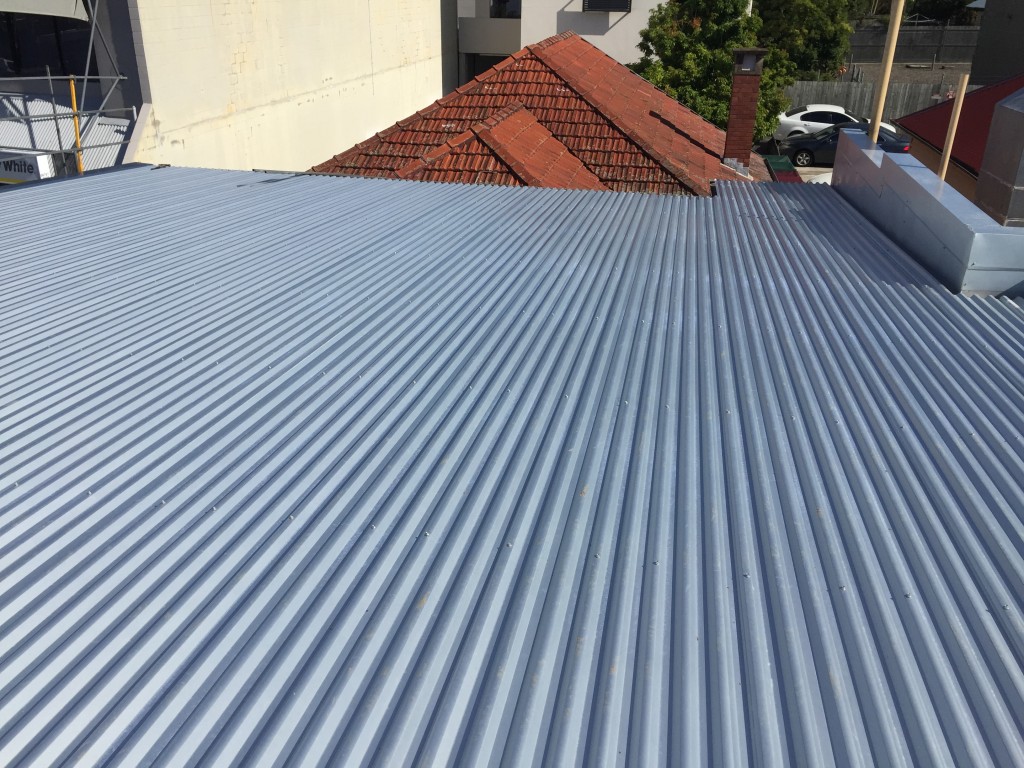
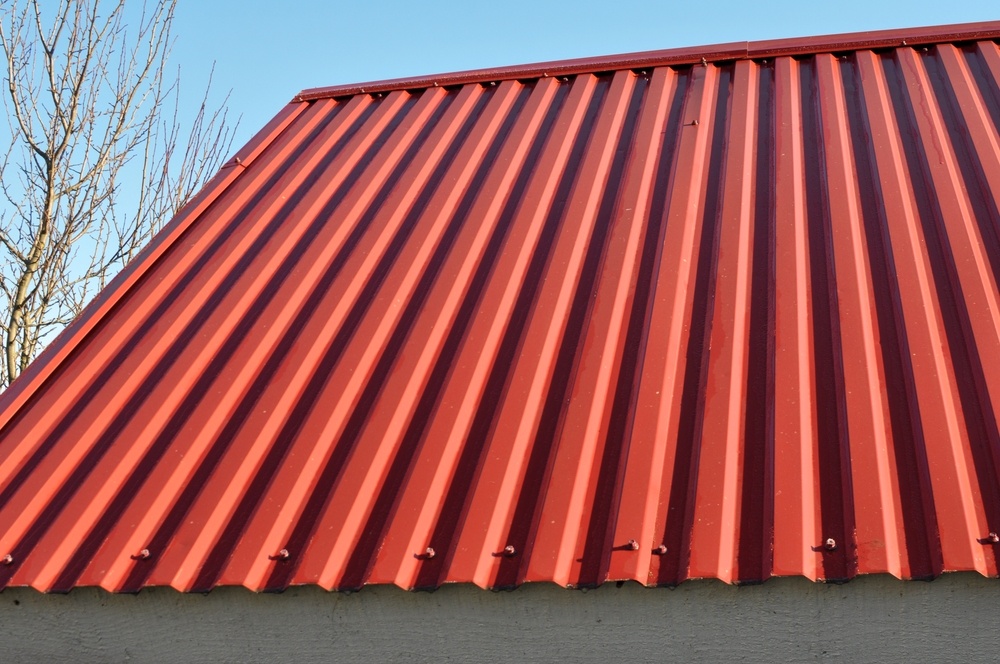
On a Colorbond or Zincalume roof, look for screws that have backed out or lost their washers. Loose fixings are a common source of leaks on metal roofs.
4. Check for Lifted Sheet Edges
Check the edges and ends of each metal sheet. A lifted edge gives the wind something to grab onto, and a strong gust can peel it back further.
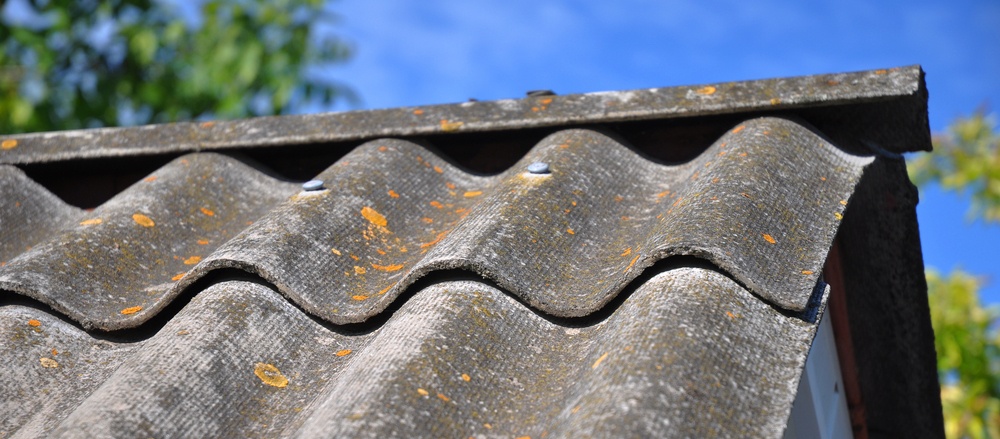
5. Note Any Rust Spots
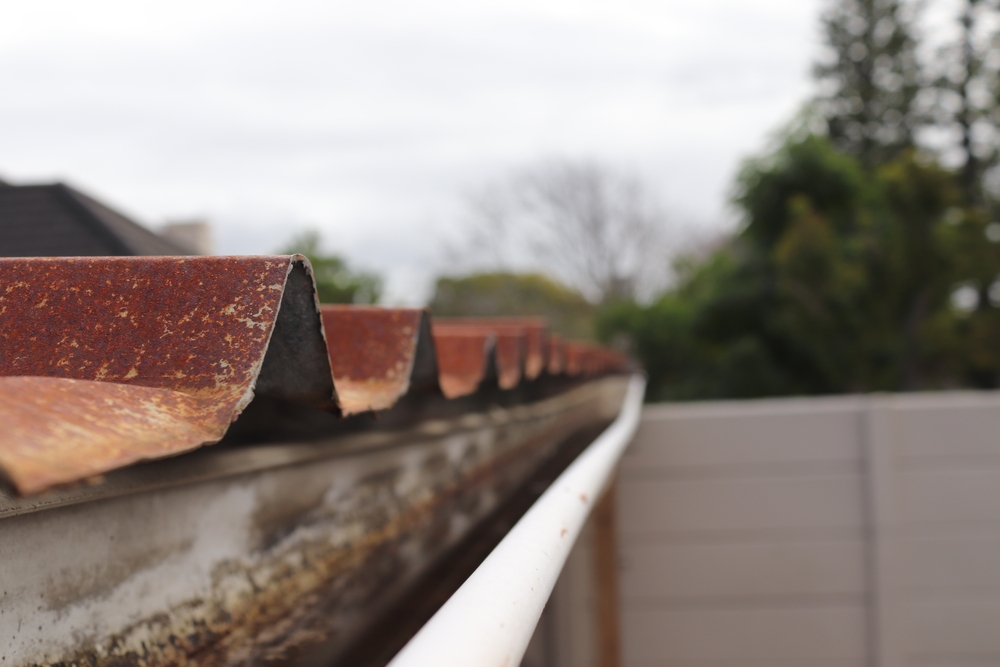
Look for rust on sheets and around fixings. Surface rust can often be treated, but rust that has eaten through the sheet usually means that section needs replacing.
6. Check Flashings Around Chimneys, Skylights and Vents
Flashings seal the joins where the roof meets walls, chimneys, skylights and vents. Look for gaps, rust, lifted edges or cracked sealant, because these joins are where a lot of storm leaks start.
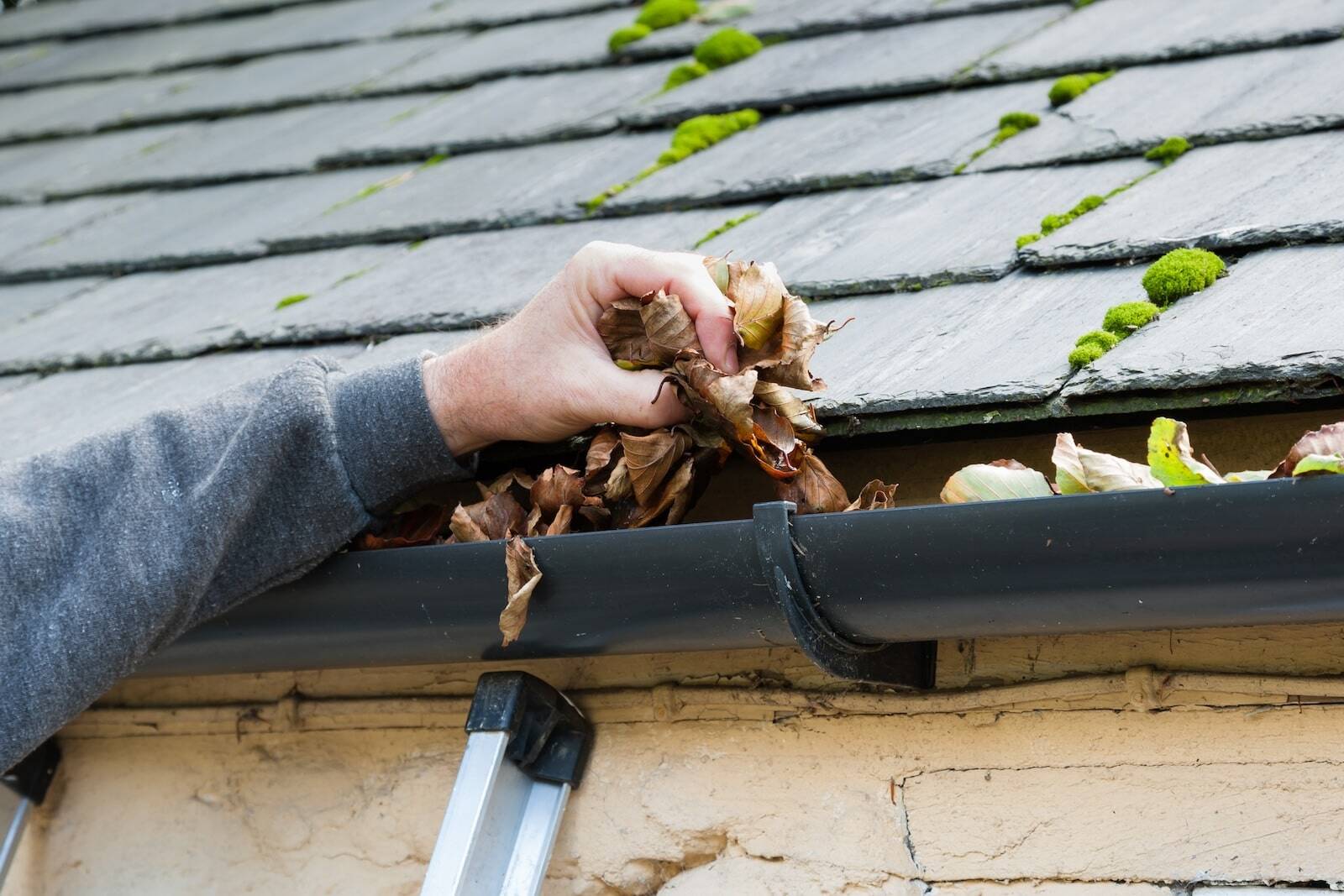
7. Clean Out Gutters and Downpipes
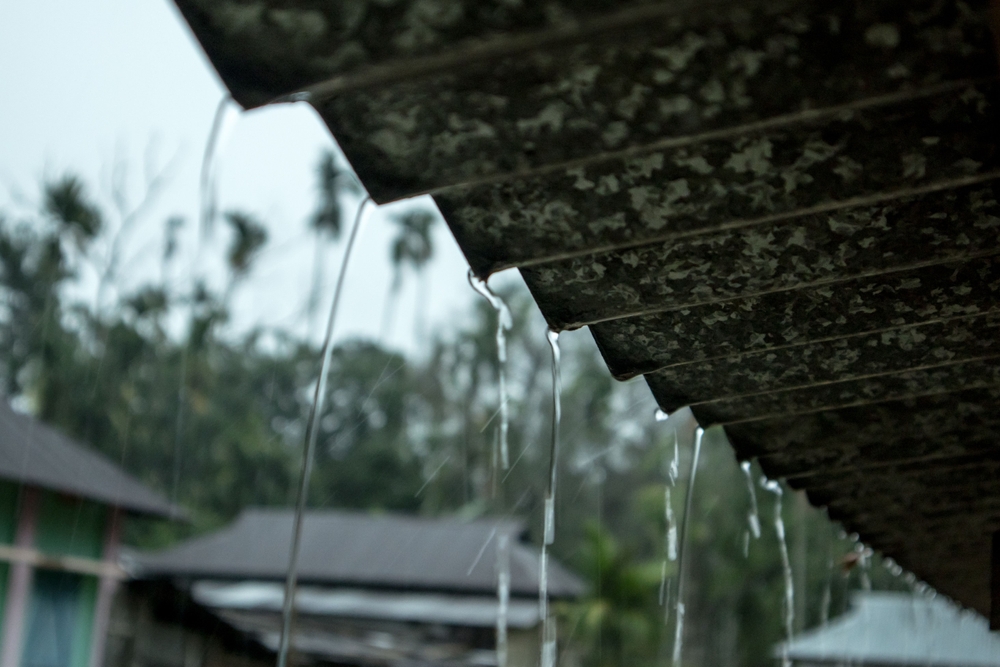
Clear leaves and debris from your gutters, then run a hose through to check each downpipe flows freely. The Queensland Government recommends this before storm season so water drains away as quickly as possible. Blocked gutters overflow in a downpour and can push water back under the roofline into your ceiling.
8. Check Gutters for Sagging, Rust and Leaks
While you’re up the ladder, look at the gutters themselves. Sagging sections, rust holes and leaking joins are signs they may need repair or gutter replacement.
9. Trim Overhanging Branches
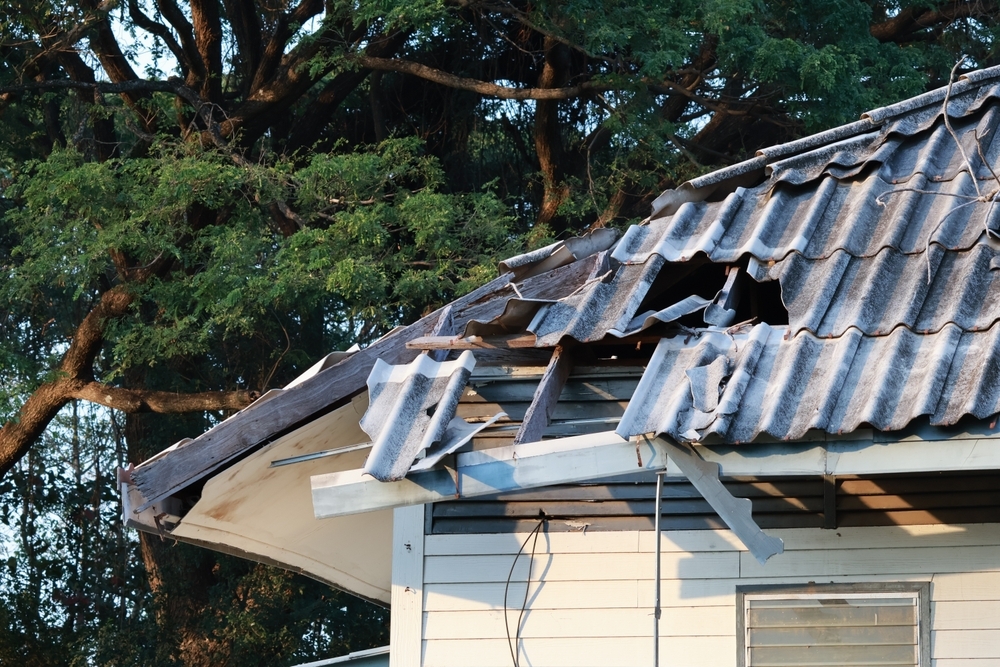
Cut back any branches hanging over the roof. In high winds they can dent sheeting, crack tiles or come down entirely, and they drop leaves straight into your gutters. For large trees or anything near powerlines, call a qualified arborist.
10. Secure Loose Items in the Yard
Tie down or put away outdoor furniture, trampolines, bins and garden items. In a strong wind, they can end up on your roof.
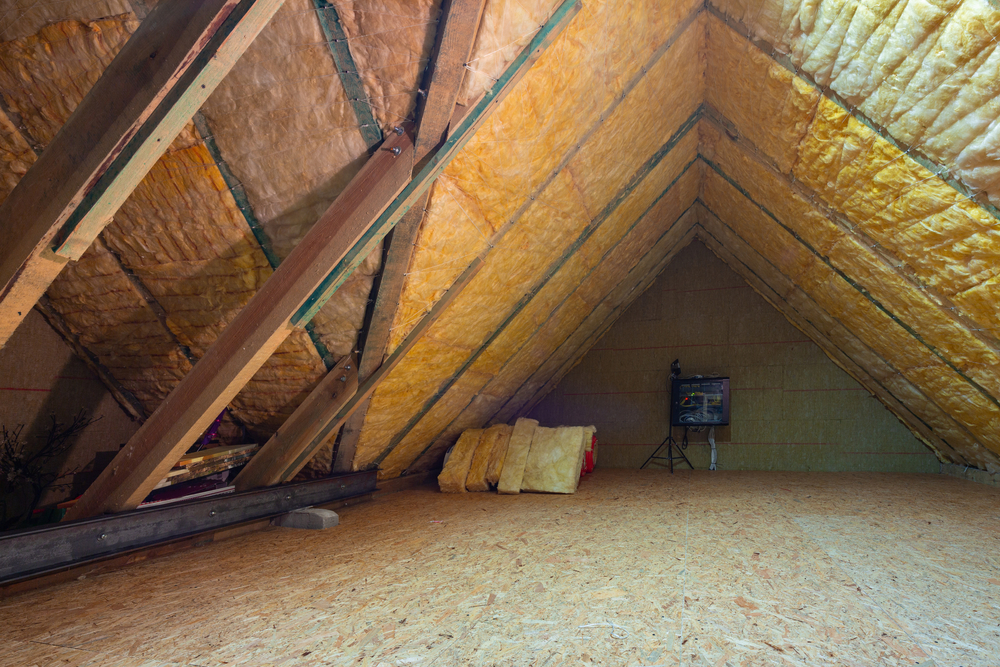
11. Check Inside for Signs of a Leak
Look at your ceilings for brown stains, bubbling paint or sagging plasterboard, especially in corners and around light fittings. If there’s a safe place to stand in the roof space, use a torch to check for damp insulation or daylight showing through. A storm usually makes an existing leak bigger, so get small ones fixed first.
12. Book a Roof Inspection If Anything Looks Off
If any check turned up broken tiles, cracked ridge capping, rust holes, lifted sheets or a leak, book a [roof inspection] before the storms arrive. Repairs are easier to book now, as roofers get busy after a big storm. Already had one through? Our hail damaged roof guide covers what to look for, and our post on whether insurance covers a leaking roof explains how cover can depend on maintenance.
Get Your Roof Storm Ready With Roo Roofing
Roo Roofing has been looking after Brisbane roofs for more than 23 years. We’re QBCC licensed (#1147373) and Master Builders accredited (#64246), and we handle everything from minor roof repairs to full roof replacements.
Book a free roof assessment before the storms roll in. Call 1300 734 148 or request a quote online, and we’ll get back to you promptly.