



Jun
Asbestos Roofing: How to Identify It, the Risks & Your Options
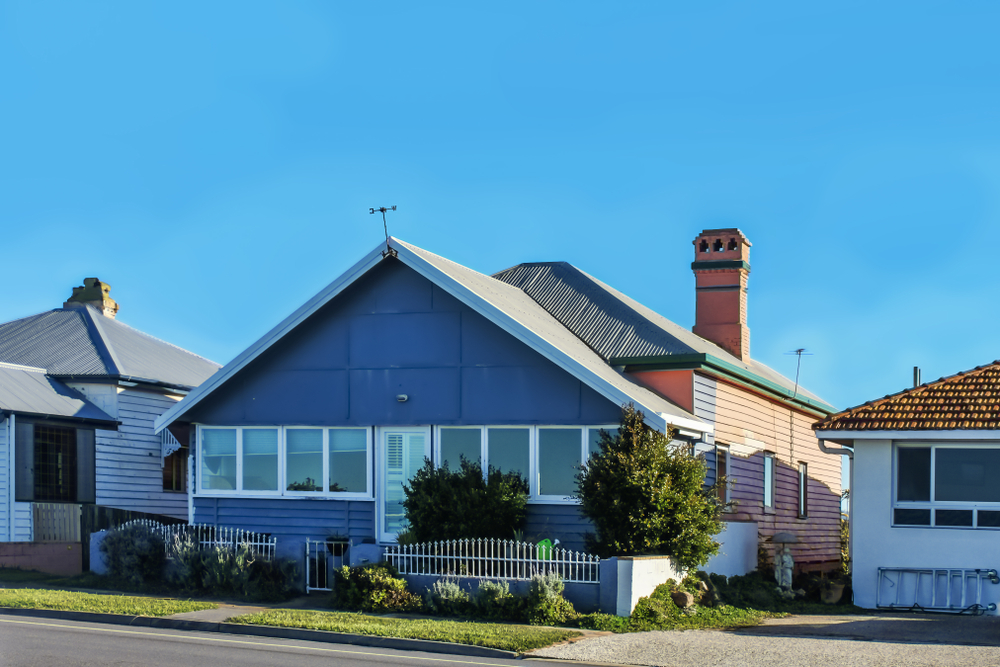
Asbestos roofing is a common issue for older Brisbane homes that were built before the 1980s. If you’re wondering if your roof has asbestos, the age can be a sign. But, you can't tell just by looking, only a sample tested by a licensed assessor can confirm it. An undisturbed roof in good condition is generally low-risk, but a deteriorated roof can be risky.
Whether you’re concerned about your family’s health, the potential cost of replacement, or the legal requirements, it can all be overwhelming. But, with the right information and professional advice, your options can become clear.
What is Asbestos Roofing?
Asbestos cement sheeting was a highly popular roofing material in Brisbane from the 1940s to 1980s. Also known as fibro, this material is a mixture of sand, cement, and asbestos fibres. It was affordable, fire-resistant and well-suited to Queensland’s climate. Despite these benefits, asbestos roofing was banned in Australia in 2003 due to health concerns.
How to Tell if your Roof Contains Asbestos
While only professional inspection can confirm the presence of asbestos, there are some signs you can look for from a safe distance. An older asbestos roof will have these features:
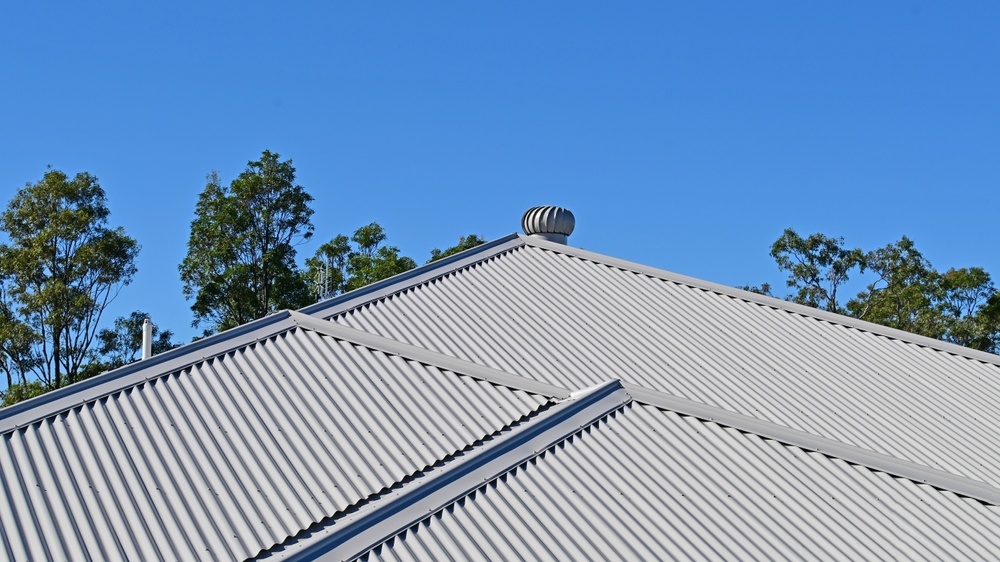
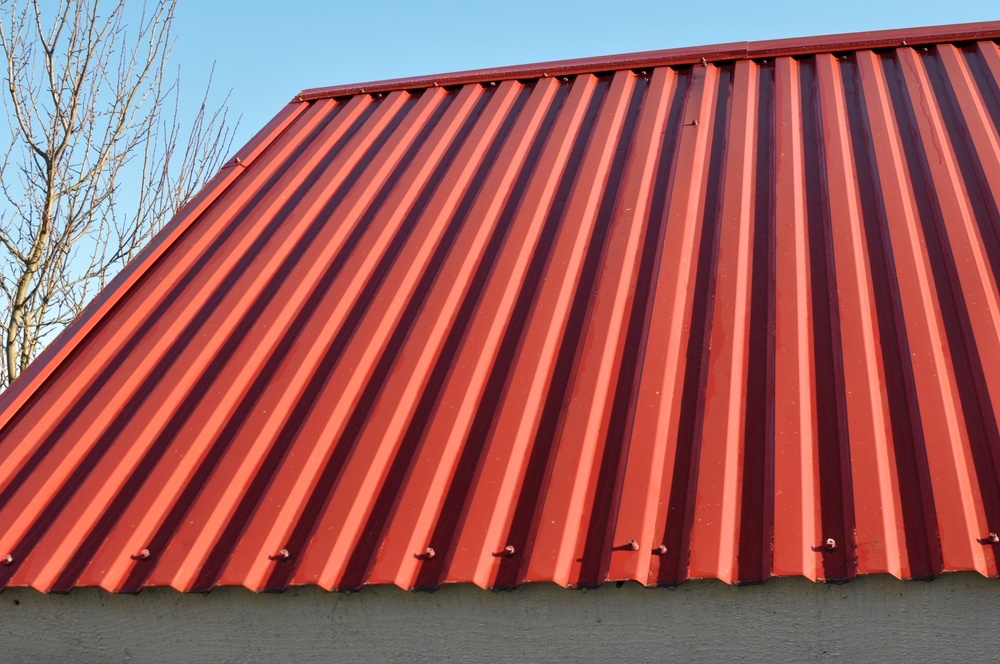
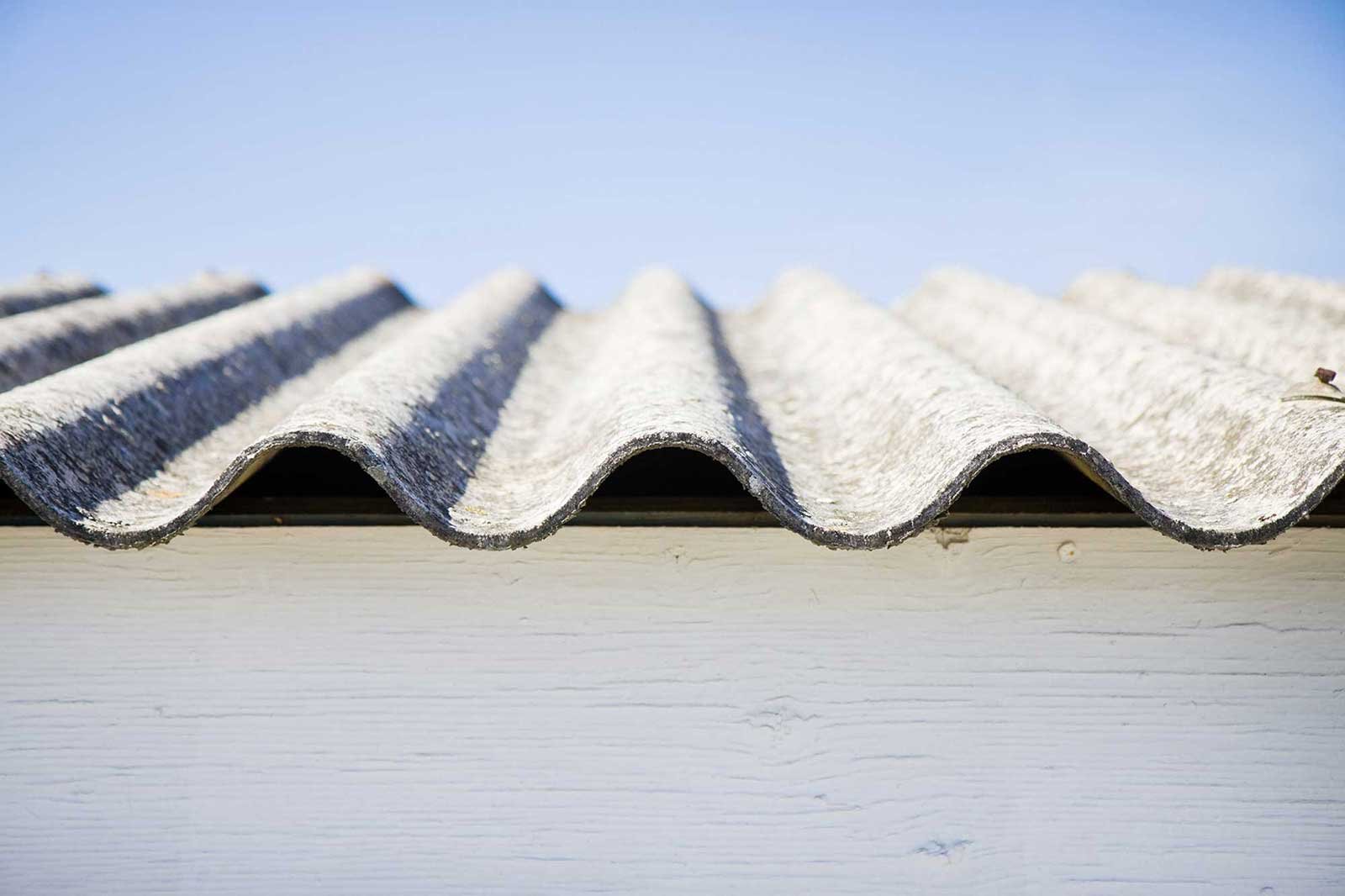
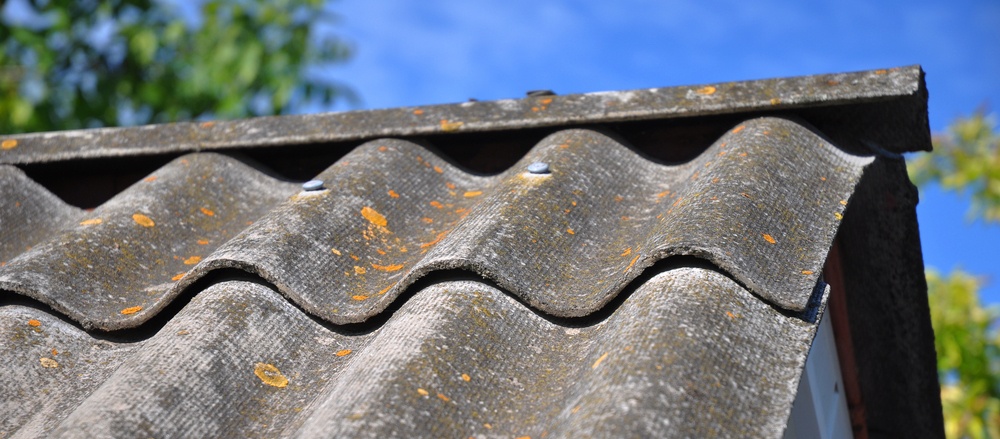
- Corrugated profile: Asbestos sheets typically have a wavy, corrugated profile, known by brand names like Super Six. The ridges are larger and more rounded than modern metal roofing.
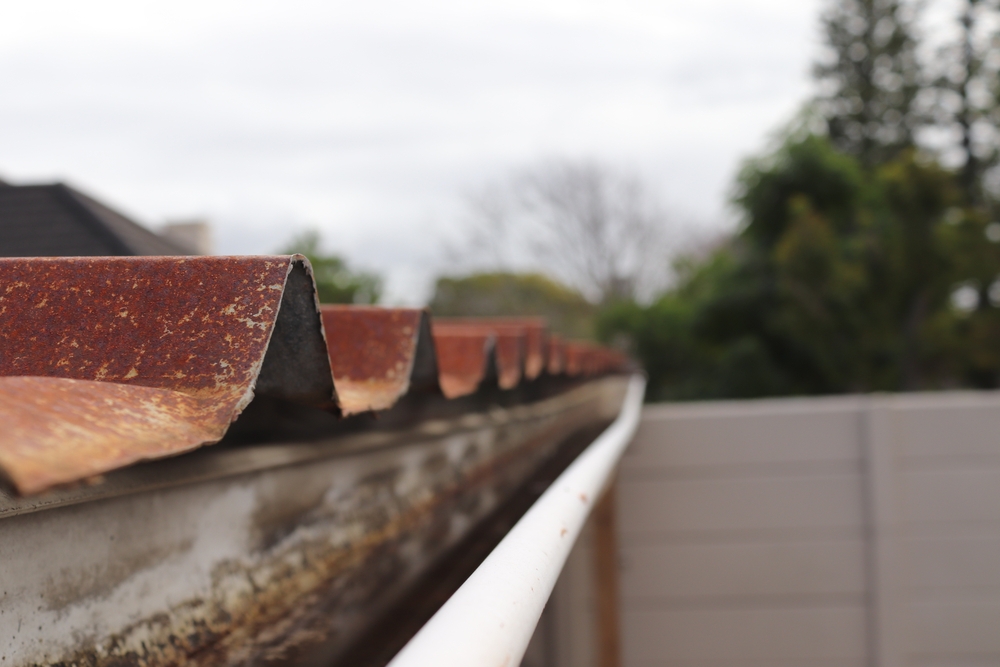
- Weathered appearance: Asbestos sheets are thicker than metal, and have a dull, matte finish. Over time, they’ll appear weathered and grey, sometimes with lichen and moss growth.
- Flat sheets: If you see flat cement sheets used for the eaves, gables, or wall cladding, these can be a sign the roof is made from the same material.
- Underside texture: The underside of asbestos sheeting may have a dimpled or honeycomb-like pattern pressed into it.
Is An Asbestos Roof Dangerous?
If you've just found out your roof contains asbestos, it's natural to feel worried. But the presence of asbestos doesn't automatically mean there's danger. As long as the roof is in good condition, there is little risk.
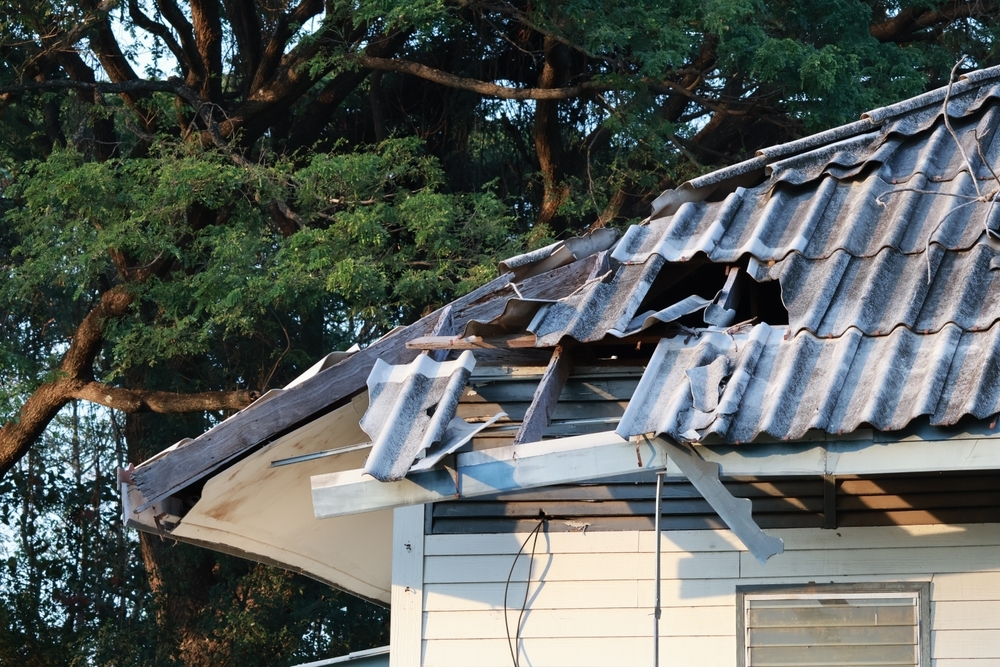
Problems arise when the materials are disturbed, cut, drilled, broken or badly weathered. This can cause microscopic fibres to be released into the air, where they can be inhaled and cause serious health issues including lung cancers, lung scarring or inflammation.
Can You Clean or Paint An Asbestos Roof?
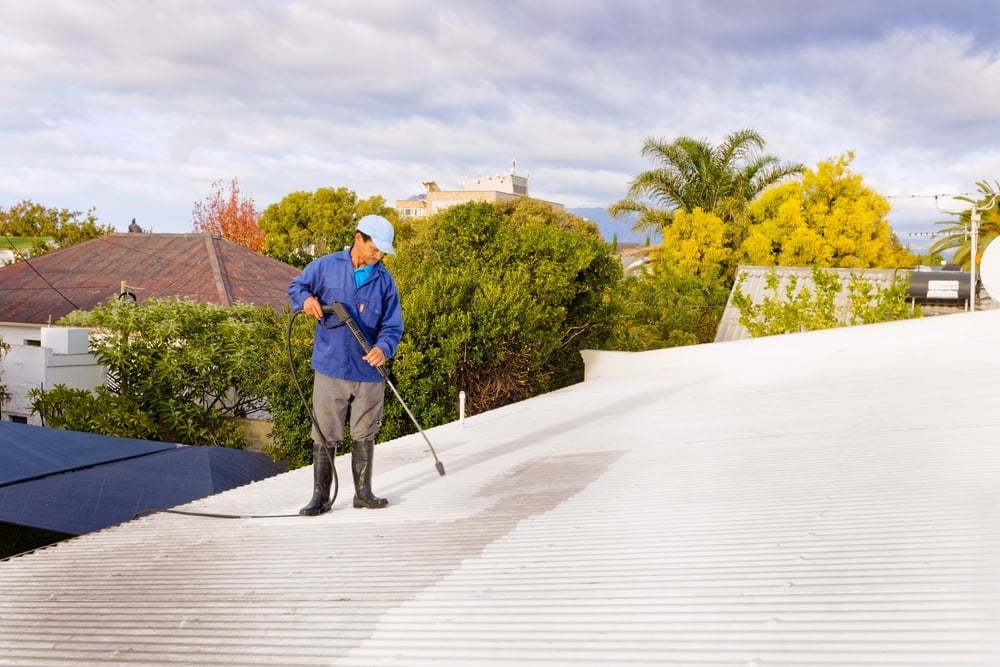
Cleaning your asbestos roof with a high-pressure hose is not only dangerous, but also illegal in Queensland. The force of the water can damage the surface of your roof, and release harmful fibres into the air. Safe cleaning requires low-pressure techniques, completed by licensed professionals.
Painting over asbestos can help to seal the surface and prevent fibres from being released, but it’s important to never sand, scrape, or drill the asbestos sheets during preparation. This is not a DIY project. Always leave it to a licensed professional, who can follow strict rules for handling it safely.
Your Options For Restoration or Replacement
Restoration
If your roof is in good structural condition, then professional asbestos roof restoration can be a safe, cost-effective option. Instead of removing the asbestos, this process involves treating and sealing the entire surface, preventing the fibres from becoming airborne.
Benefits of restoration include:
- Significant cost savings compared to replacement
- Reduced health risks as fibres are sealed in
- Minimal disruption compared to replacement
- Improved appearance for your home
Removal & Replacement
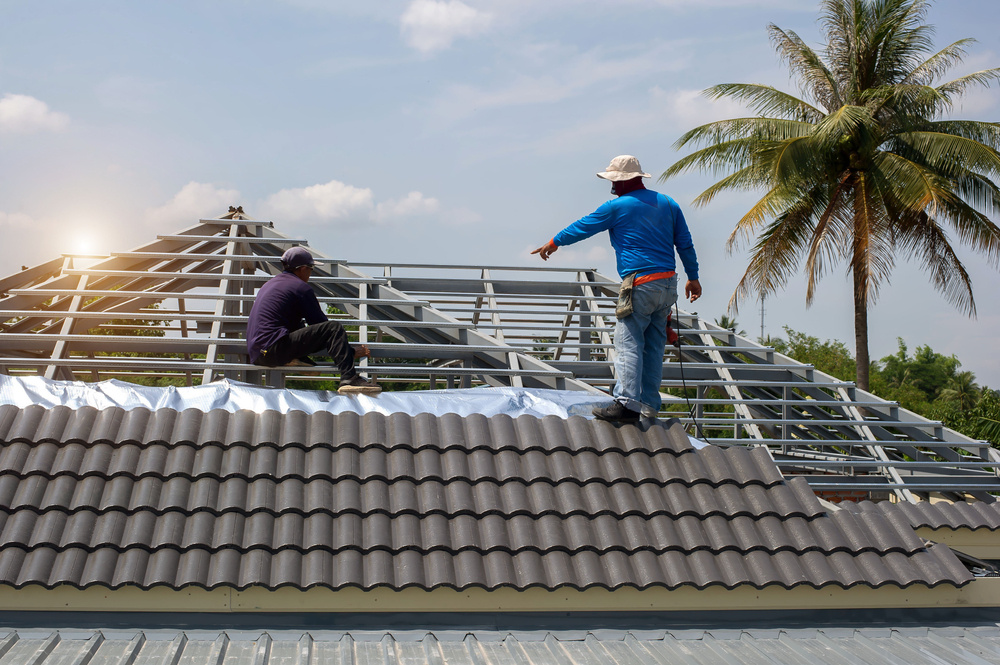
If your roof is severely damaged, structurally unsound, or leaking significantly, then replacement is the only option. This is a permanent solution that involves completely removing the old asbestos roof and replacing it with a new, modern roof.
Asbestos roof replacement gives you a permanent solution, but is the most expensive option. The work is also more disruptive to your household.
How Much Does Asbestos Roof Replacement Cost?
As a general guide, Brisbane homeowners can expect an asbestos roof replacement to cost around $15,000 to $30,000. Quotes are calculated per square metre, usually in the $150 to $300 range.
This price usually includes asbestos testing, removal, disposal, and the installation of the new roof, but not all roofing companies quote the same. Some cheap quotes won’t include essential safety measures or legal disposal, so it’s important to know exactly what you’re paying for.
Several factors can influence the final cost of your roof replacement:
- Roof size and total area
- Roof pitch and complexity
- Condition of the roof
- Property access requirements
- Additional work required
- Asbestos disposal fees
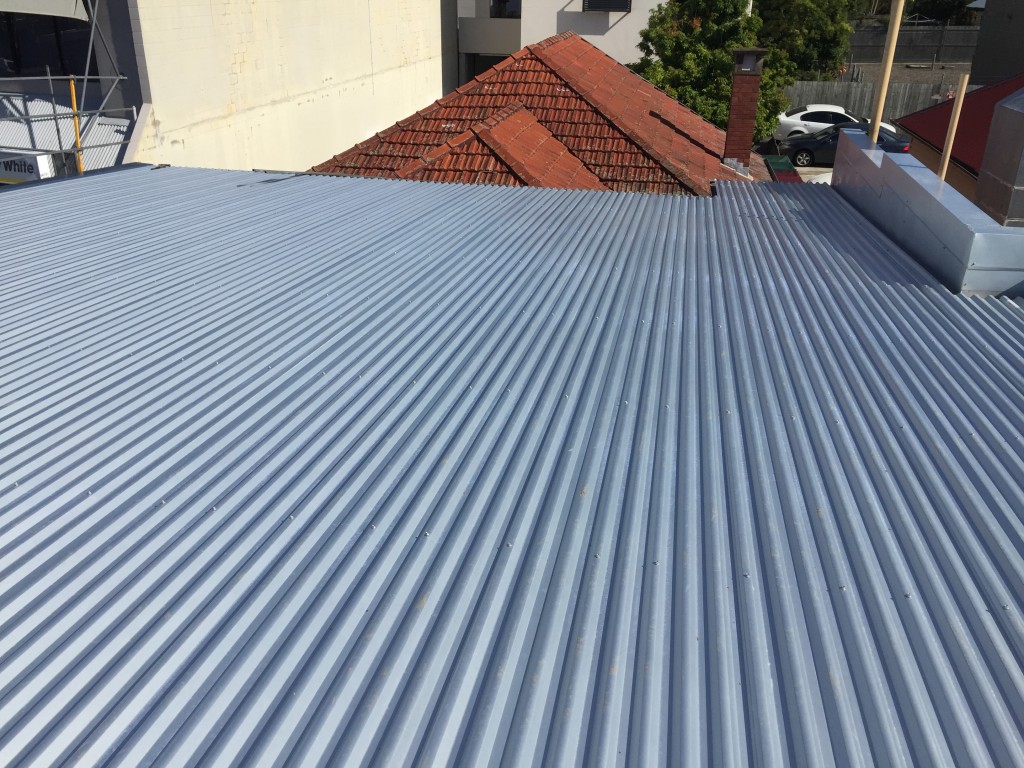
- New roof material selection (Colorbond, Zincalume, tile)
Larger or multi-storey homes typically cost more due to extra labour, equipment and safety protocols. A thorough inspection will help you understand the conditions and requirements of your project before you begin.
What To Expect With Roo Roofing
At Roo Roofing, we have been replacing asbestos roofs across Brisbane for over 23 years. Our team is fully licensed and insured to perform asbestos roofing work safely and to the highest standard. We use only the best Colorbond materials, backed by 10-year installation warranties and 36-year manufacturing guarantees.
We coordinate the whole process, from asbestos removal and safe disposal to installation, meaning you don’t need to handle different contractors.
Time to upgrade your asbestos roof? Book an assessment.
FAQ
Pressure-cleaning an asbestos surface is prohibited in Queensland. It releases fibres and creates a contamination risk. Cutting, drilling, and sanding are also illegal for anyone without a licence. Painting or sealing is possible under controlled conditions, but it's a temporary measure. Check the current rules before planning any maintenance.
It varies. Roof size, pitch, access, disposal fees, and replacement material all affect the final number. A quote over the phone won't be reliable, but a site inspection will. Roo Roofing offers free roof assessments across Brisbane, so get in touch to book yours.
It depends on the age. Fibro refers to fibre cement sheeting, which used to include asbestos. Since the ban, modern fibro doesn’t contain asbestos. If your home has fibro sheeting and was built before the late 1980s, treat it as asbestos-containing material until a licensed assessor tests it and tells you otherwise.