



Jun
Roof Insulation Guide: Types, R-values & Cost
Roof insulation is one of the best ways to keep your home cooler in summer, warmer in winter, and help reduce your energy bills. When choosing the right insulation for your home, what matters is the type, performance (measured in R-value), and the quality of installation.
What does Roof Insulation do?
Roof insulation slows the transfer of heat between your roof and the rooms below. In a Queensland summer, that means less heat pouring into your living space from a roof that's been in 35-degree sun all afternoon. In winter, it keeps the warmth your heater generates from escaping through the ceiling.
Bulk vs Reflective Insulation
Insulation works in two fundamentally different ways: bulk and reflective. Each comes in a few forms depending on where it's going.
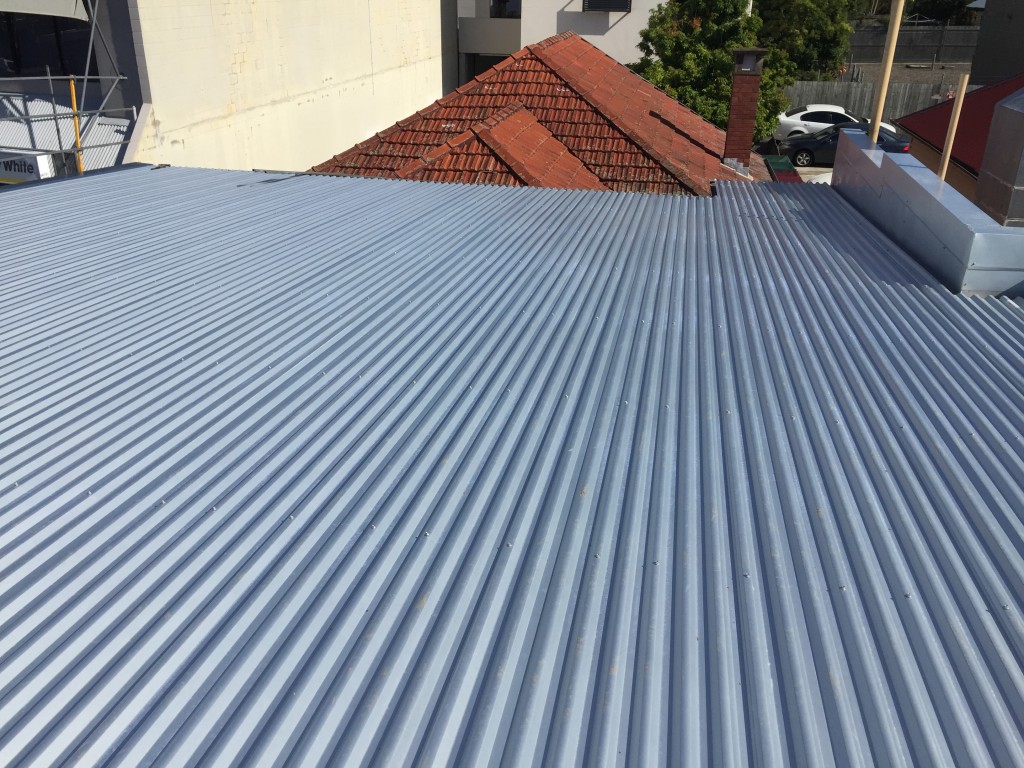
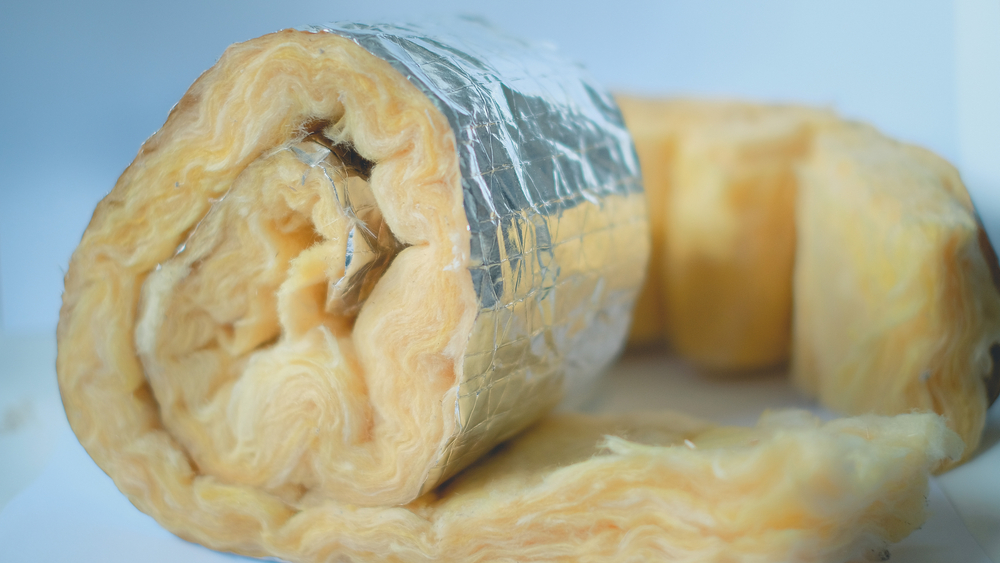
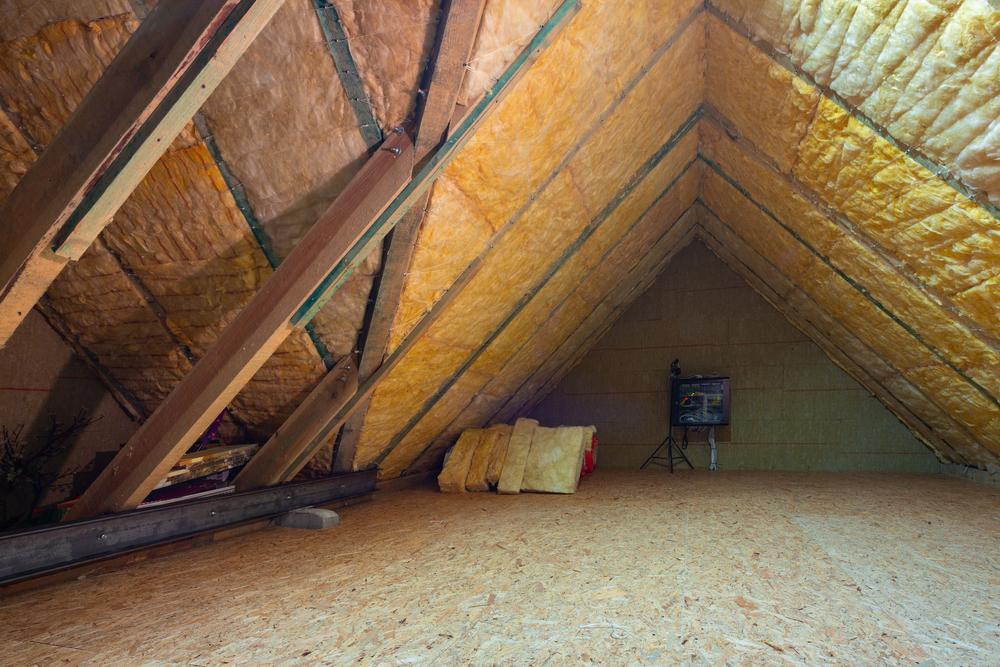
Bulk insulation traps millions of tiny air pockets that resist heat flow. Ceiling batts (polyester, Earthwool, or cellulose fibre) are the most common form, laid between the ceiling joists. A roof blanket is the same principle in a different format: rolled out across the battens before metal sheets go down, making it the natural choice for a Colorbond installation.
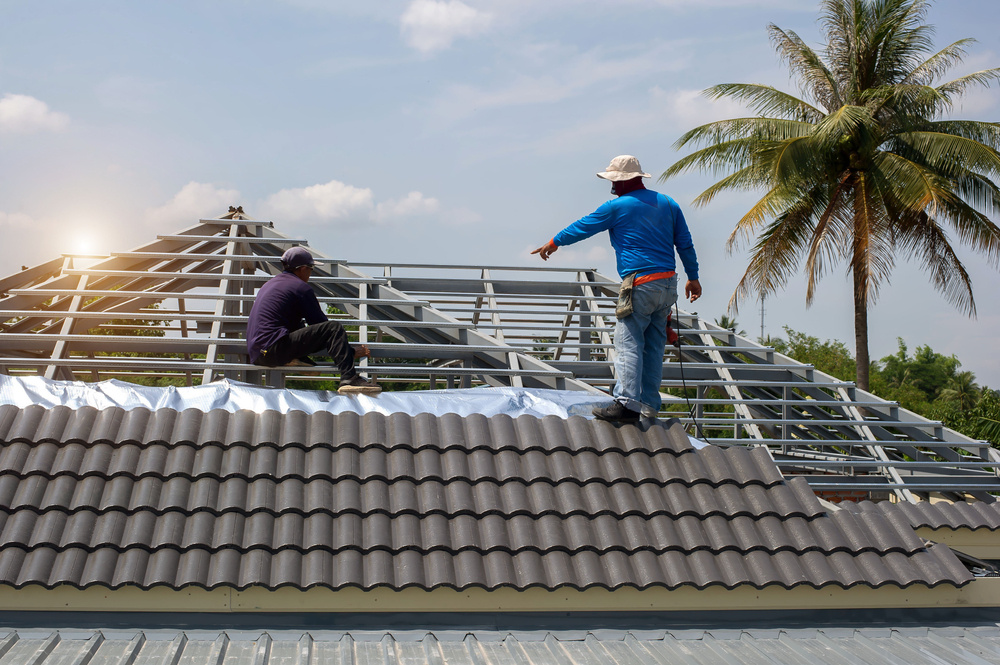
Reflective insulation uses a foil surface to bounce radiant heat back before it enters the roof cavity. Sarking is the most common form: a foil-faced membrane fitted directly under tiles or metal cladding. For tile roofs it also acts as a secondary weather barrier. For Colorbond roofs, where bare metal conducts heat readily, sarking makes a particularly big difference.
In Queensland, where most of the heat load is radiant rather than convective, sarking addresses the source while ceiling batts handle what gets through. The two work together for the best result.
Understanding R-values
The R-value measures how well insulation resists heat flow. Higher is better, and it's standardised, so you can compare any two products directly.
Brisbane is in NCC Climate Zone 2. The code minimum for ceiling insulation in Zone 2 sits around R2.5 for a standard home, but that's a floor, not a target.
Most Brisbane installers recommend R3.5 to R4.0 for retrofits: enough to make a real difference in summer heat and winter warmth without overshooting into values better suited to colder climates.
Learn more about insulation R-values here.
|
R-value |
What it Suits |
|
R2.5 |
NCC minimum for Zone 2 new builds |
|
R3.5 |
Recommended minimum for retrofits |
|
R4.0 |
Most common recommendation; good all-round performance |
|
R5.0+ |
Better suited to Melbourne, Hobart and cooler climates |
Which Insulation is Best for a Queensland Home?
The climate pushes you in a particular direction. Because our heat load is primarily radiant, sarking under the roof combined with ceiling batts tends to outperform either product alone. The sarking stops heat entering the cavity, the batts stop what gets through from reaching the rooms.
For ceiling insulation specifically, polyester batts and Earthwool are the most widely installed products in Brisbane homes. Cellulose fibre works well as a retrofit where blowing loose-fill is easier than manoeuvring batts through a ceiling hatch.
Roof vs Ceiling Insulation: What's the Difference?
Ceiling insulation sits on top of your ceiling lining between the joists, with the roof cavity above it acting as a buffer zone. This is the most common approach in Queensland homes and the most accessible retrofit option for existing houses.
Under-roof insulation (sarking or blanket) installs directly under the cladding on top of the rafters. For an existing roof, retrofitting it means stripping the sheets, doing the work, and re-fixing everything. It's possible but expensive..
How Much Does Roof Insulation Cost?
For a typical Brisbane home, ceiling batts cost roughly $1,500 to $4,500 depending on the size of your home, the R-value you're going for, and how easy the ceiling space is to access.
Queensland market rates in 2026 put ceiling batts at around $5 to $12 per square metre supplied and installed, with a standard single-storey home usually landing somewhere in the middle of that range.
The main variables that move the price:
- R-value: Higher R-value batts cost more per square metre. R3.0 Earthwool ceiling batts run around $6 to $8 per square metre in materials, while R6.0 batts are closer to $14 to $16. For Brisbane, R4.0 is the sweet spot, so you're not paying for more than you need.
- Roof access: A clear, well-lit ceiling space with a decent hatch is a straightforward job. A tight, hot, or awkward roof cavity takes longer and costs more.
- Existing insulation: Removing old or degraded insulation adds $400 to $1,200 to the job before new batts go in.
- Sarking under a new roof: This is where timing matters. Fitted during a roof replacement, sarking adds relatively little to the total project cost. Retrofitted later, it requires stripping and re-fixing the roof sheets, which is a significantly bigger job.
A site visit is the only way to get an accurate number for your home. Get in touch for a free assessment.
The $1,200 Government Insulation Grant
In Queensland, there is a government grant of up to $1,200 available to eligible homeowners for ceiling insulation installation.
Eligibility criteria apply and program details can change, so check your eligibility rather than assume. We help our clients work through the grant process as part of an insulation job. Mention it when you get in touch and we'll go through what's involved and whether it applies to your situation.
The grant covers ceiling insulation rather than under-roof sarking. If you're doing both as part of a re-roof, it may apply to the ceiling component specifically. We'll confirm what's covered when we assess your home.
Insulating When You Replace Or Restore Your Roof
A lot of homeowners replace their roof and then, a year or two later, want sarking. At that point it means stripping sheets, doing the work, and re-fixing everything. The job gets done, but it costs considerably more than doing it the first time around.
If your roof is coming off for replacement, the cladding is already gone. Adding sarking or blanket insulation at that stage is quick and cheap relative to any other time in the roof's life.
It's also the right moment to look at the ceiling insulation below: older homes getting a new roof sometimes have outdated or absent ceiling insulation underneath. Sorting both in one project saves cost and disruption.
What To Expect With Roo Roofing
We install insulation as part of roofing projects across Brisbane, the Gold Coast, Sunshine Coast, and Ipswich. Whether you're after ceiling batts, sarking under a new Colorbond roof, or both, we'll assess what your home actually needs rather than defaulting to the most expensive option.
We're licensed under QBCC and accredited with Master Builders Queensland, with over 23 years working on Brisbane roofs. If the $1,200 grant applies to your situation, we'll help you navigate it.
Every roof is different. A site inspection by a licensed roofer is needed to assess your roof, confirm the right solution, and give you an accurate quote.
Book your roof assessment today.
FAQ
Yes, particularly here where summers are long and the sun loads onto your roof for most of the year. Insulation reduces how much heat reaches your living space, which means less air conditioning running to compensate. In winter it keeps warmth inside rather than letting it escape through the ceiling. Most homeowners notice a difference in comfort, not just on the power bill.
Brisbane sits in NCC Climate Zone 2. Current guidance points to ceiling insulation typically around R3.5 to R4.0 for this zone, though the right figure depends on your roof type, ventilation, and whether you're also installing sarking. Always verify current recommendations at yourhome.gov.au before purchasing, as the NCC figures are updated periodically.
It varies. Ceiling batts are the most affordable option for most existing homes. Sarking under a new metal roof is cheapest when fitted during a roof replacement. The main variables are roof and ceiling size, access, and whether existing insulation needs removing. A site assessment gives you an accurate number. Call 1300 734 148 to arrange a free one.
Both together is the best outcome for Queensland homes. Bulk insulation (batts or blanket) resists heat flow through trapped air. Reflective insulation (sarking or foil) bounces radiant heat away before it enters the roof cavity. Given how much radiant heat Queensland roofs absorb, sarking addresses the source while ceiling batts handle what gets through. If you can only do one, ceiling batts are the more accessible starting point.
For ceiling insulation, yes. Batts go in through the ceiling hatch without touching the roof at all. Blown cellulose can go in through a small access hole if the hatch is awkward. For sarking under the roof cladding, no: the sheets need to come off to install it. This is why a roof replacement is the right time to get it done. Retrofitting sarking to an existing roof is possible but significantly more expensive.