



Jul
Roof Restoration vs. Replacement: Which do I Need?
Roof restoration is the right call when your roof's structure, tiles, or sheeting are still sound and the problem is really about wear, leaks, or a tired-looking finish. It usually costs $4,500 to $20,000.
Roof replacement is what you need once the roof itself has failed, cracked structural tiles, corroded sheeting, timber underneath that's given up, and typically runs $12,000 to $45,000 depending on size and material.
Here's how to tell which one applies to you.
How Do You Know If You Need Restoration or Replacement?
The short answer: it depends on whether the problem sits on the surface or underneath it. A leaking roof doesn't automatically mean a new one.
Surface-level issues, cracked pointing, faded coatings, a few broken tiles, worn flashing, are usually restoration territory. The roof is doing its job structurally, it just needs cleaning up, repairing, and resealing.
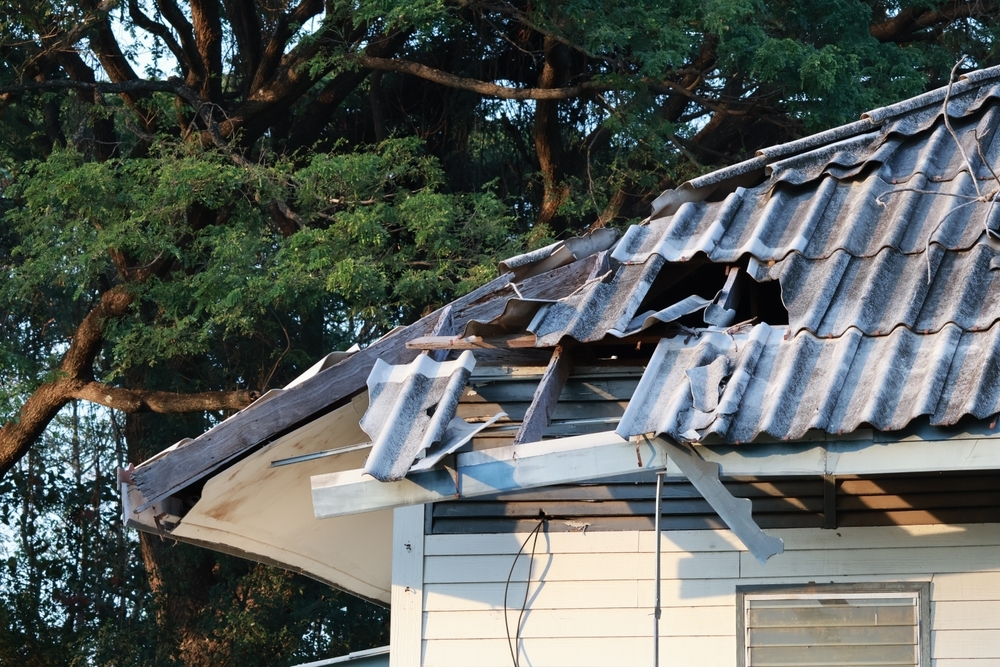
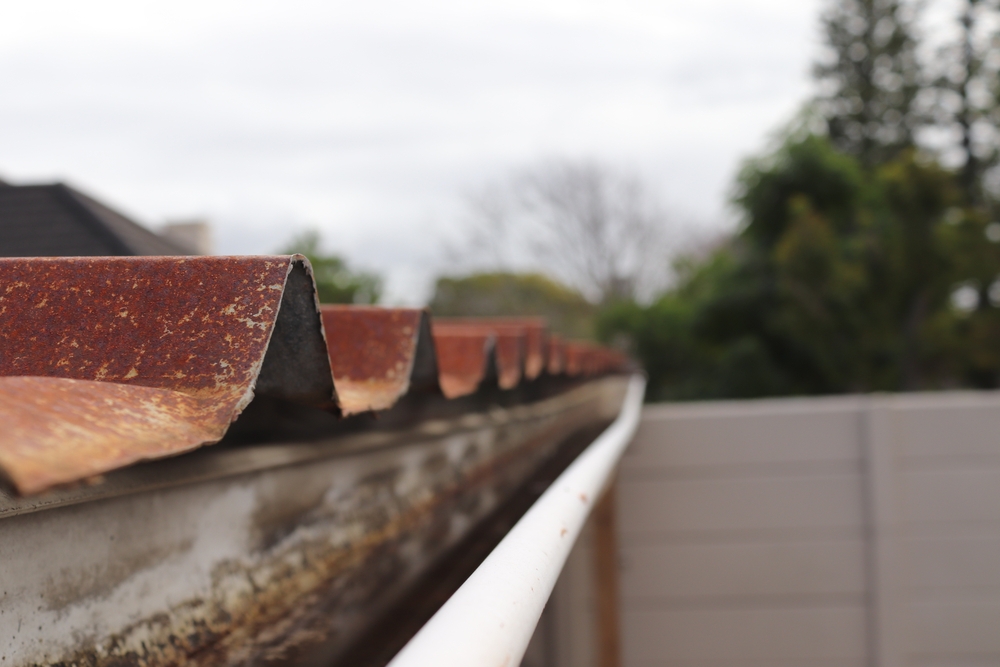
Structural problems are a different matter. Tiles cracking from age rather than one impact, sheeting rusted through in multiple spots, rot in the battens or timber underneath. Restoration won't fix any of that. You'd just be putting a fresh coat over something that's still failing.
When is Roof Restoration Suitable?
Roof restoration tends to be the right call when the roof is 15 to 25 years old without major structural failures, when damage is limited to a handful of tiles or joints rather than spread across the whole roof, or when an inspection confirms the framing and battens underneath are still sound. Fading, moss, and minor leaks fall into this category too.
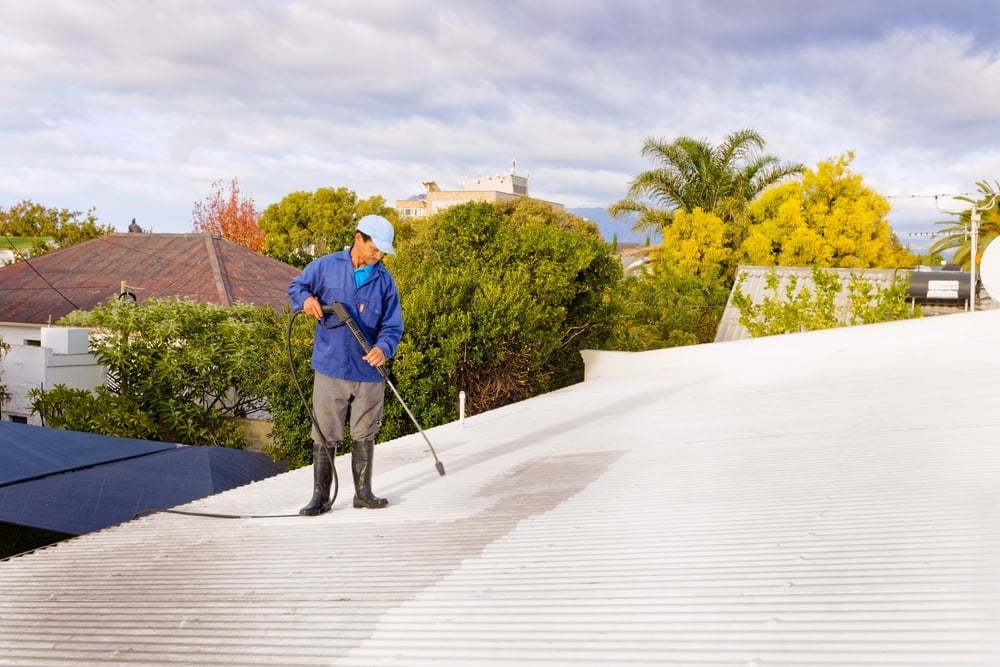
Restoration involves high-pressure cleaning, replacing broken tiles, re-bedding and repointing ridge caps, and applying a protective coating. Done properly, it can add another 10 to 15 years onto a roof that's otherwise structurally fine.
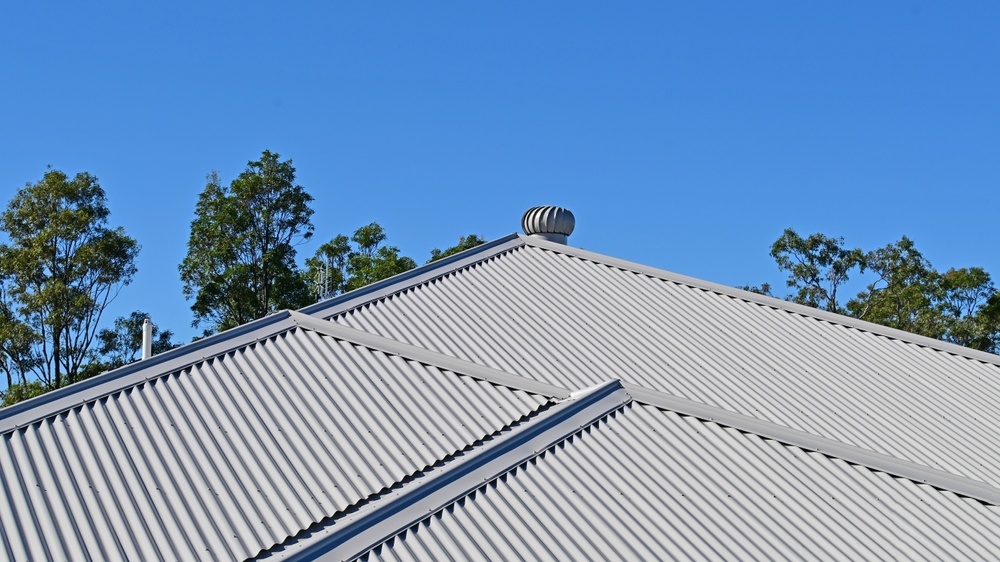
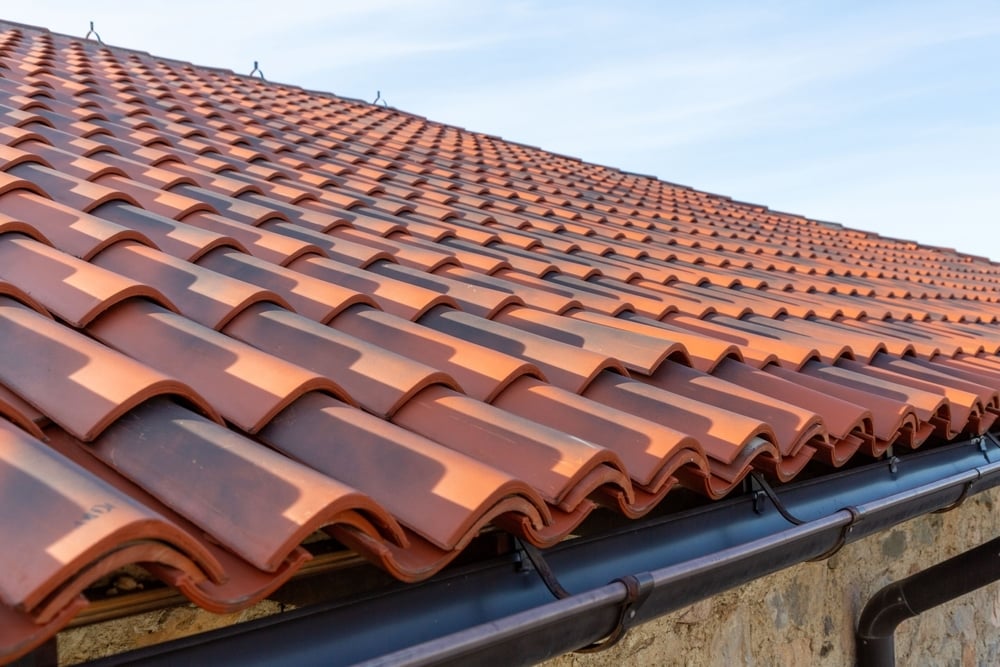
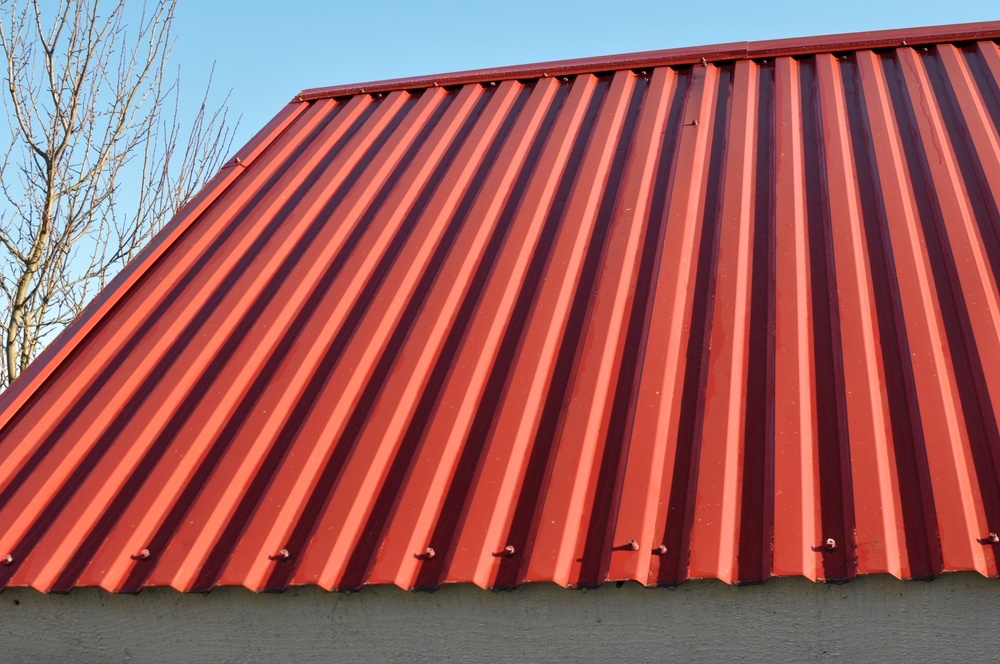
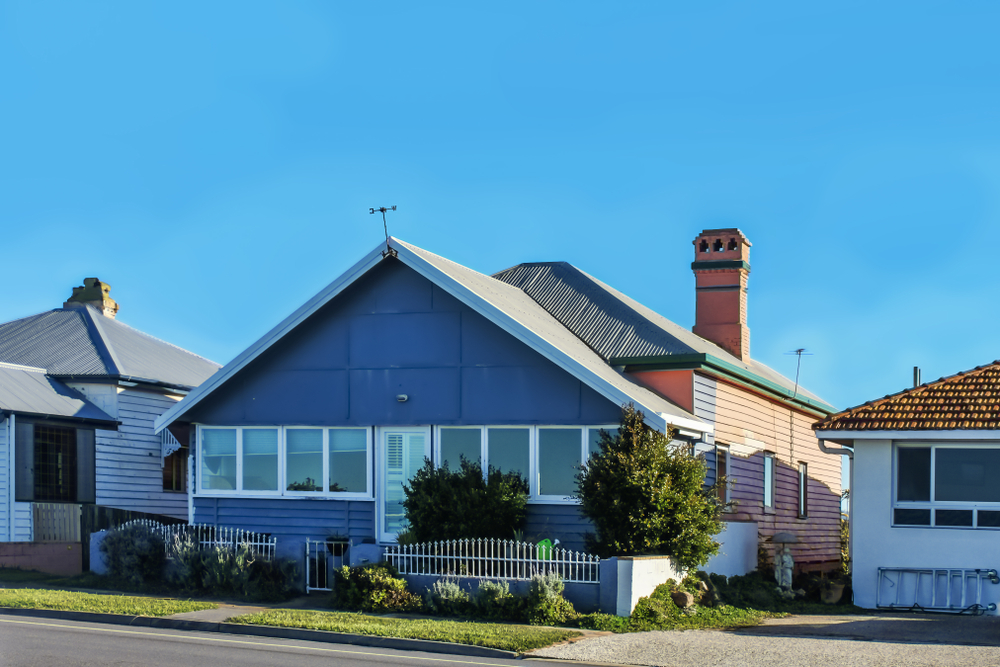
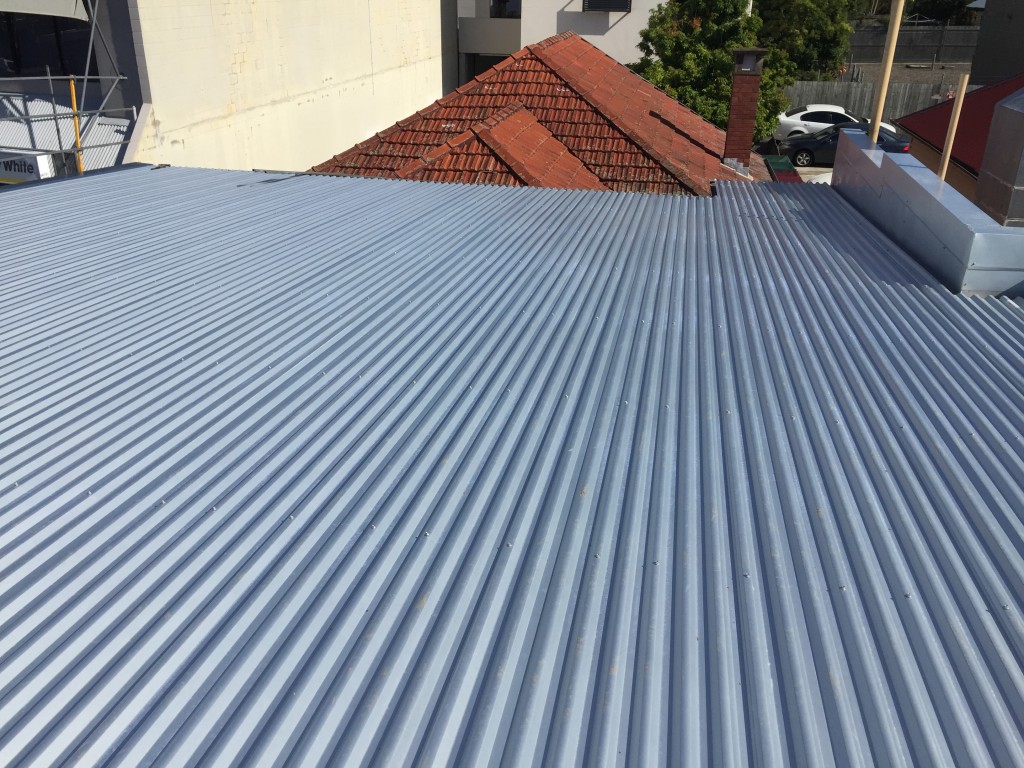
The process looks a bit different depending on what you're working with. Tile roof restoration usually involves more re-bedding and repointing around ridge caps, since that's where tile roofs tend to fail first. Metal roof restoration is more about rust treatment, replacing corroded fasteners, and repainting, since the sheeting itself rarely needs bedding work. Concrete tile roofs sit somewhere in between, generally holding up well structurally but needing regular recoating to stay watertight.
When Is Replacement Necessary?
Replacement comes into play once the roof material itself is past saving, not just the coating on top of it. A few signs point this way pretty reliably: cracking spread across many tiles rather than a handful, rust that's eaten through the sheeting instead of sitting on the surface, or sagging sections, which almost always means the timber underneath has failed.
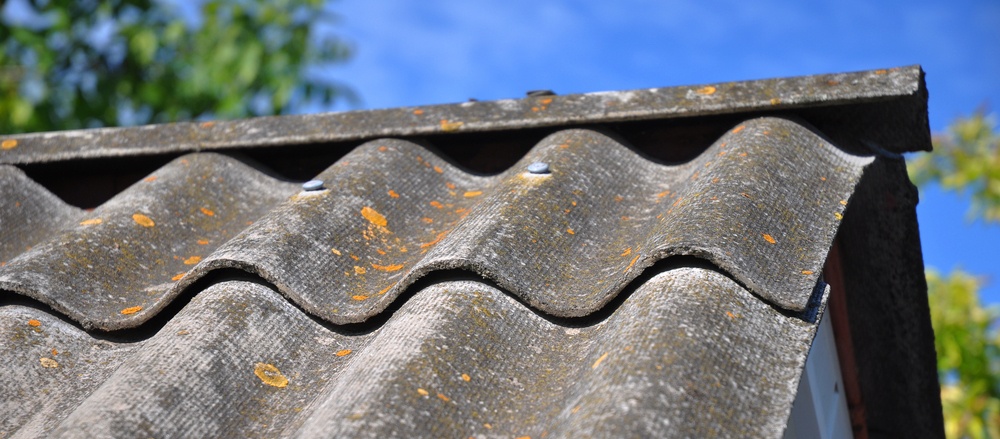
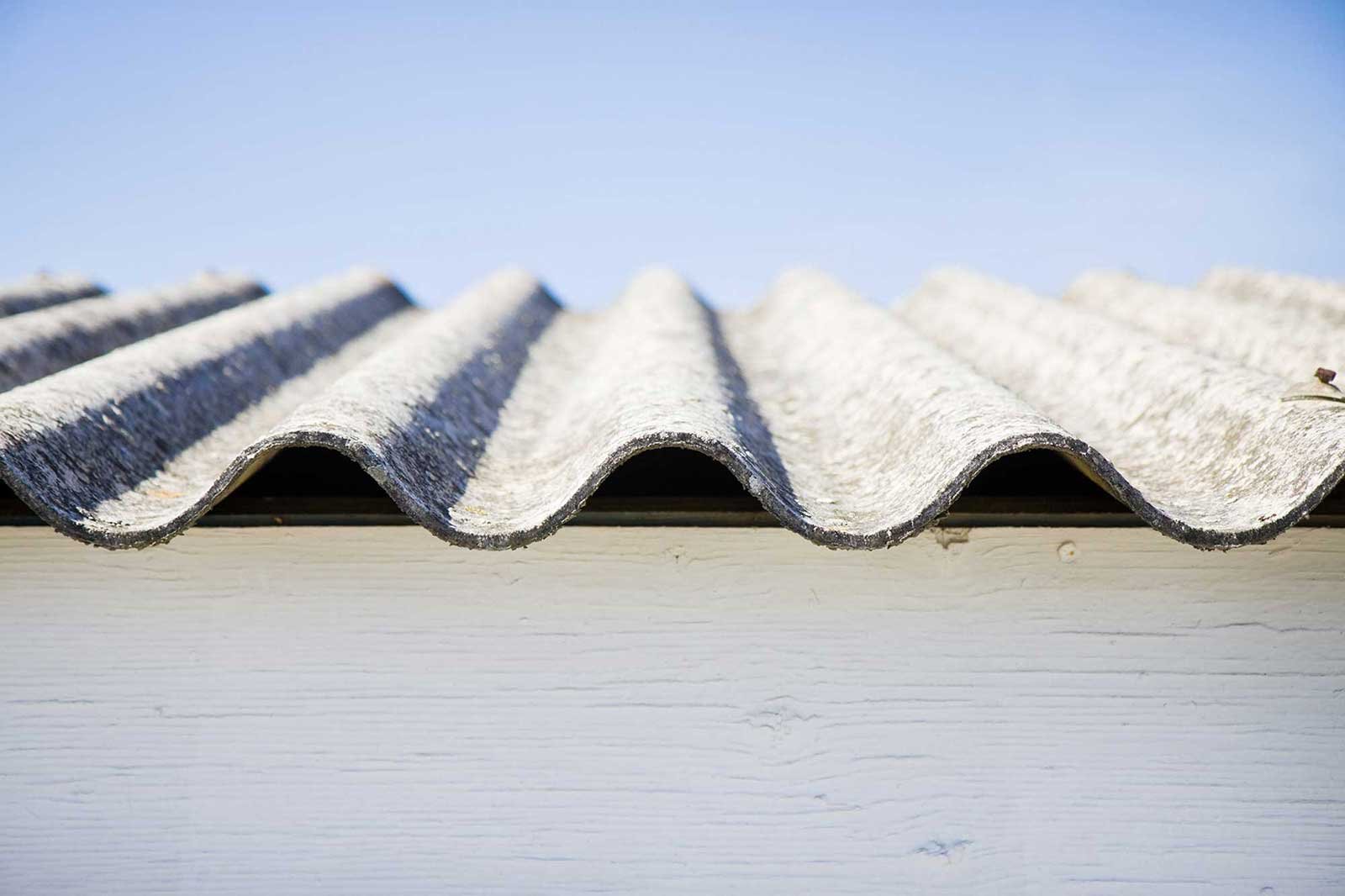
Asbestos sheeting matters here too. Once asbestos roofing starts degrading, restoration isn't a safe path. Replacement by a licensed asbestos removalist is the only responsible option.
Another issue worth flagging: a roof that's already been restored once and is showing the same problems again a few years later. That's usually a sign the underlying issue was never properly fixed the first time.
Why Is Replacement So Much More Expensive?
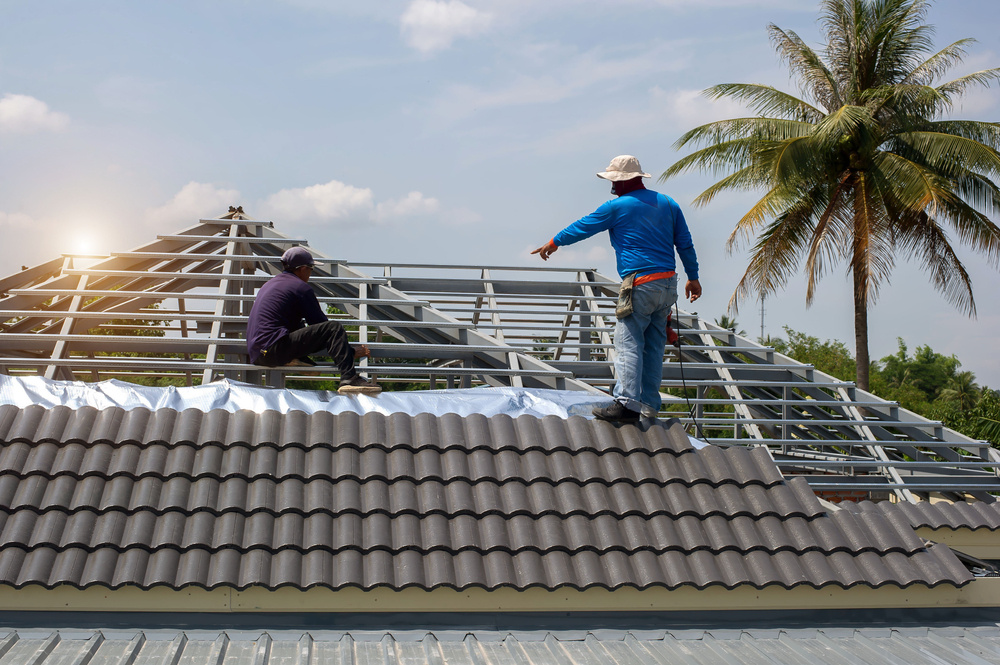
Restoration works with what's already there: cleaning, repairing, and protecting an existing roof. Replacement means stripping it back and starting again, structural work, new material, and disposal of the old roof included.
That gap is worth taking seriously in both directions. Restoring a roof that genuinely needs replacing just delays the real job while water damage keeps building underneath. Replacing a roof that only needed restoration means spending tens of thousands more than the problem called for.
Get a Proper Roof Inspection First
Honestly, this isn't a decision to make from the driveway. What looks like a coating problem from the ground can turn out to be structural once someone's properly up there, and it goes the other way too. A proper roof inspection is what settles it either way, checking the tiles or sheeting, the ridge caps, the flashing, and the framing underneath before anyone recommends a course of action.
We've been assessing and restoring roofs across Brisbane for more than 23 years, and every quote starts with an honest inspection rather than a pitch for whichever option pays better. If restoration is genuinely right for your roof, that's what we'll recommend. If it isn't, we'll say so.
Roo Roofing is QBCC and Master Builders licensed, with a Watertight Guarantee on our work and manufacturer warranties up to 36 years on replacement materials.
Book a Free Roof Assessment
The only real way to know which option suits your roof is to have it properly inspected. We offer free assessments and turn quotes around within 24 hours.
Call 1300 734 148 to book yours in, or get in touch online.