



Sep
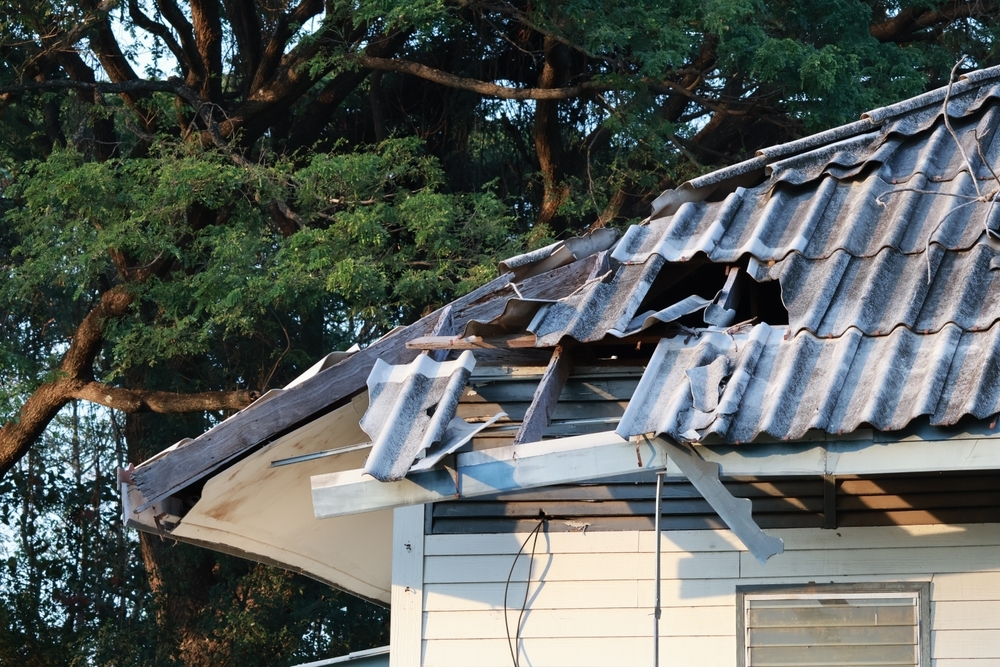
Has a recent storm ripped a few tiles off, or left hail dents in your roof? If you’re looking to make a roof damage insurance claim, here’s what to do. Photograph the damage, contact your insurer, get your roof inspected, and lodge the claim.
Let’s break it down.
Quick answer: the 5-step process
- Photograph and video the damage before moving or repairing anything.
- Make safe temporary repairs if needed (tarping, plastic sheeting) and keep every receipt.
- Contact your insurer and lodge the claim with your policy number and photos.
- Get a licensed roofer's written inspection report to support the claim.
- Be present for the insurer's assessor visit and compare findings against your roofer's report.
What should you do the moment you spot the damage?
Stay off the roof. A storm-damaged tile roof or a lifted sheet of Colorbond is unstable, and it's not worth the fall. Photograph what you can see from the ground: missing tiles, dented gutters, sagging sections, debris. If water's coming through the ceiling, record that too, with the date and time.
Most policies expect you to take reasonable steps to stop further damage once you know about it. For example, that means placing a bucket under an active leak, or plastic sheeting over a smashed skylight. Make sure to keep every receipt, as insurers generally reimburse this kind of temporary fix as part of the claim.
Insurer first, or roofer first?
Whether you should call a roofer or an insurer first depends on the situation. If water actively is getting into your house, then it’s best to call a roofer for emergency tarping, straight away. If it’s nothing urgent yet, then call the insurer first so the claim clock starts.
Either way, get a roofer's report early. Insurance assessors work from a checklist and a time slot. They're good at their job, but they're not roofers, and hail bruising on tiles or a lifted ridge cap isn't always obvious on a quick pass. A written report from someone licensed gives you independent evidence to sit alongside whatever the assessor finds. That's often the difference between a claim that stalls on “insufficient evidence” and one that clears first go.
You don't have to use a roofer your insurer suggests, either. Choosing your own, someone who's looked at your roof rather than been assigned to it, tends to help when it comes to negotiating scope.
What happens after you lodge the claim?
The insurer sends a loss assessor out. Be there if you can. If your roofer flagged something in a valley, under a ridge cap, or behind a downpipe, that's your moment to point it out in person. A five-minute inspection misses things a second set of trained eyes won't.
Once the insurer has everything they need, they are required to make a decision within 10 business days. They've got up to 4 months for a final call in ordinary circumstances, though most straightforward roof claims with clean documentation move well inside that.
What do you need ready before you call?
- Your policy number
- The date (or best estimate) the damage happened
- Photos and video, both wide shots and close-ups
- A roofer's written inspection report, if you've had one done
- Receipts for any temporary repairs already made
A complete claim on day one is the single biggest thing that keeps the 10-day clock working for you instead of against you.
What if the assessor's findings don't match your roofer's?
This can be more common than you'd think, especially with hail, which is genuinely easy to miss on a walk-through. If there's a gap between what got scoped and what your roofer's report says needs doing, push for a reassessment. If that stalls, most insurers have a formal dispute process, and or you can escalate it to the complaints authority if it still doesn't resolve.
Need a Hand?
Got storm or hail damage and need a written report to back up your claim? Roo Roofing can get someone out to assess it. We're QBCC licensed (#1147373) and Master Builders accredited, and we document damage the way insurers want to see it. Call 1300 734 148 for a free assessment.