



Nov
For most Brisbane homes, a solar roof vent does a better job than a whirlybird because it doesn’t need wind to work. Whirlybirds are cheaper and simpler, so they still suit some homes and budgets. The right choice depends on your roof, your budget and how hot your roof space gets.
Good roof ventilation lets hot, humid air escape from the roof space instead of sitting above your ceiling all day. That can make your home more comfortable in summer and help your air conditioner work less hard. Here’s how the two most popular options compare.
Quick Answer: Whirlybird vs Solar Roof Vent
| Whirlybird | Solar roof vent | |
|---|---|---|
| How it works | Wind spins the turbine | Solar panel powers a fan |
| Works on still days | Not well | Yes, while the sun is out |
| Upfront cost | Lower | Higher |
| Control | Always on | Many models have a thermostat |
| Noise | Can be noisy in strong wind | Usually quiet |
| Maintenance | Occasional cleaning and checks | Very little |
What Is a Whirlybird and How Does It Work?
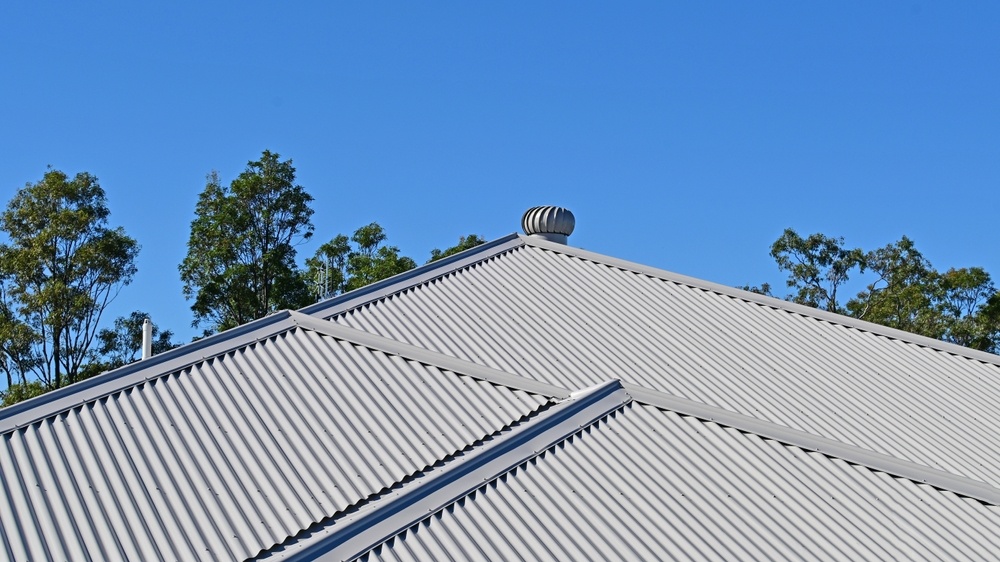
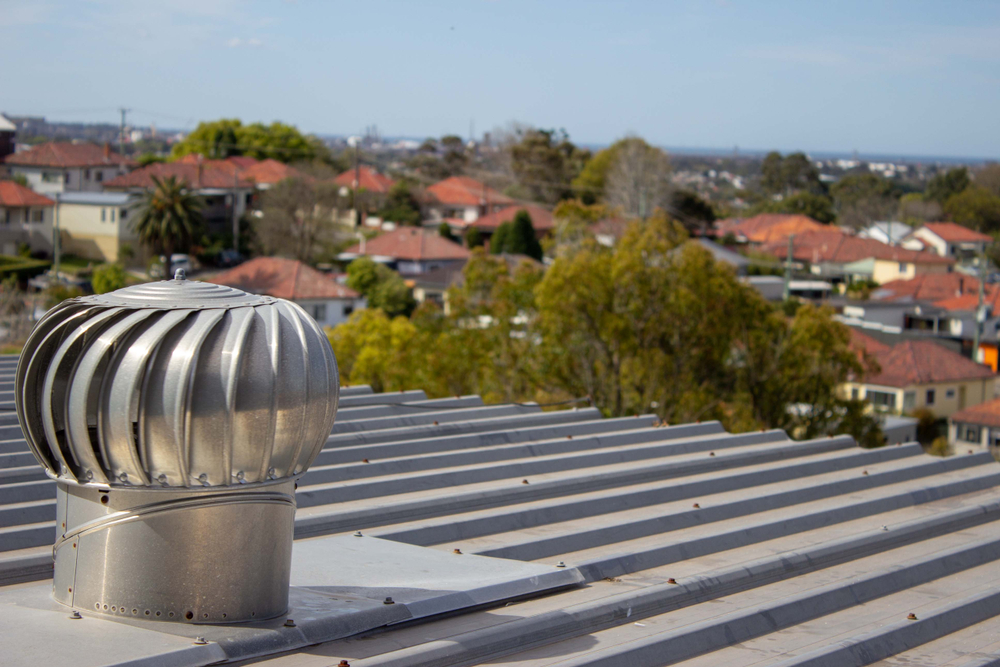
A whirlybird is a round, finned turbine fitted to the roof. When the wind blows, the turbine spins and draws warm air up and out of the roof space. It needs no power to run.
Whirlybirds are one of the most common types of roof ventilation in Australia. Our whirlybird roof ventilation guide covers how they’re installed and how many a typical roof needs.
What Are the Pros and Cons of Whirlybirds?
The main advantages of whirlybirds are:
- Lower upfront cost than solar vents
- No running costs, as they’re wind powered
- Simple design with few parts to go wrong
The biggest drawback is that a whirlybird only works well when there’s a breeze. On still, hot days, which Brisbane gets plenty of in summer, it barely turns. That’s exactly when your roof space needs ventilating most.
Other disadvantages include:
- They keep drawing warm air out in winter unless you fit a cover
- They can rattle or squeak in strong winds, especially as bearings wear
- Leaves and debris can build up and slow the turbine
- They can be damaged in severe storms, which can lead to leaks
What Is a Solar Roof Vent and How Does It Work?
A solar roof vent, sometimes called a solar whirlybird, uses a small solar panel to power an exhaust fan. The fan pushes hot air out of the roof space whether or not there’s any wind.
Because the fan runs off sunshine, it does the most work on hot, sunny days. That’s when roof spaces heat up fastest.
What Are the Pros and Cons of Solar Roof Vents?
The main advantages of solar roof vents are:
- They work on still days, not just windy ones
- Many models have a thermostat or humidity sensor, so they only run when needed
- They’re generally quieter than whirlybirds
- There are no running costs, as they’re solar powered
The main drawback is cost. Solar vents cost more upfront than whirlybirds, and installation should be done by a qualified tradesperson.
They also slow down or stop when the sun goes down. Some models can be fitted with a night kit or battery so they keep running in low light. Check what’s included before you buy.
Which Roof Vent Is Best for Brisbane’s Climate?
For most Brisbane homes, a solar roof vent is the better long-term option. Our summers bring plenty of hot, humid days with little breeze, and that’s where whirlybirds struggle.
A solar vent with a humidity sensor can also help with condensation in the roof space. That’s useful through Brisbane’s wetter months, when trapped moisture can lead to mould and damage to timber.
A whirlybird can still make sense if your budget is tight, your home is in an exposed, breezy spot, or you’re adding extra ventilation alongside a solar vent.
How Do You Compare Roof Vent Models?
When comparing models, look at the extraction rate on the spec sheet. It’s usually shown in cubic metres per hour (m³/hr) and tells you how much air the unit can move.
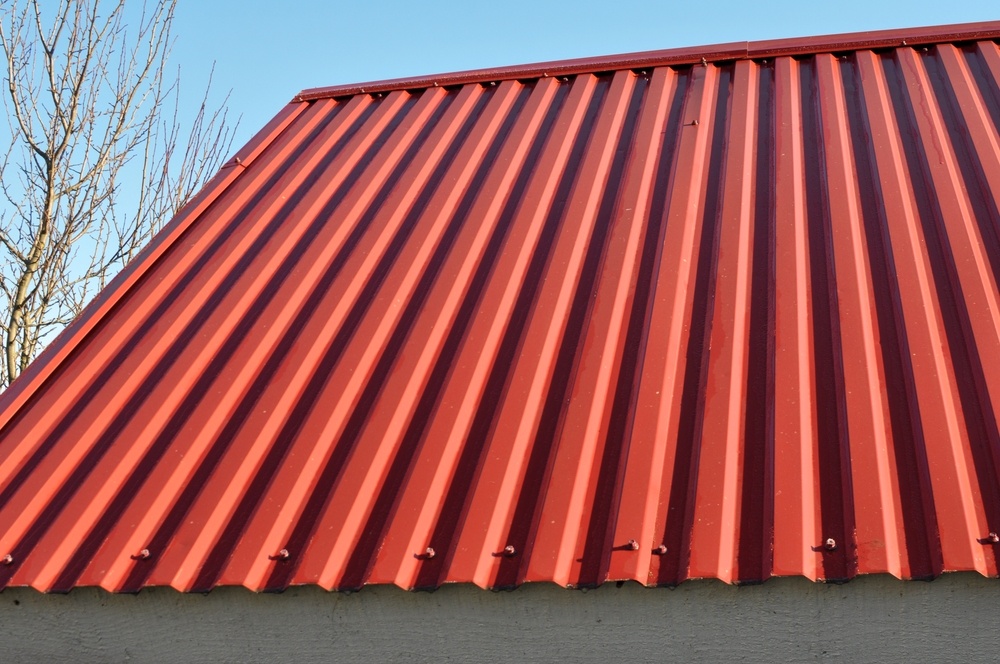
Also check whether it has a thermostat or humidity sensor, what warranty it comes with, and whether it’s suitable for a tile or metal roof. A roofer can tell you how many units your roof space needs based on its size.
Does Roof Ventilation Replace Insulation?
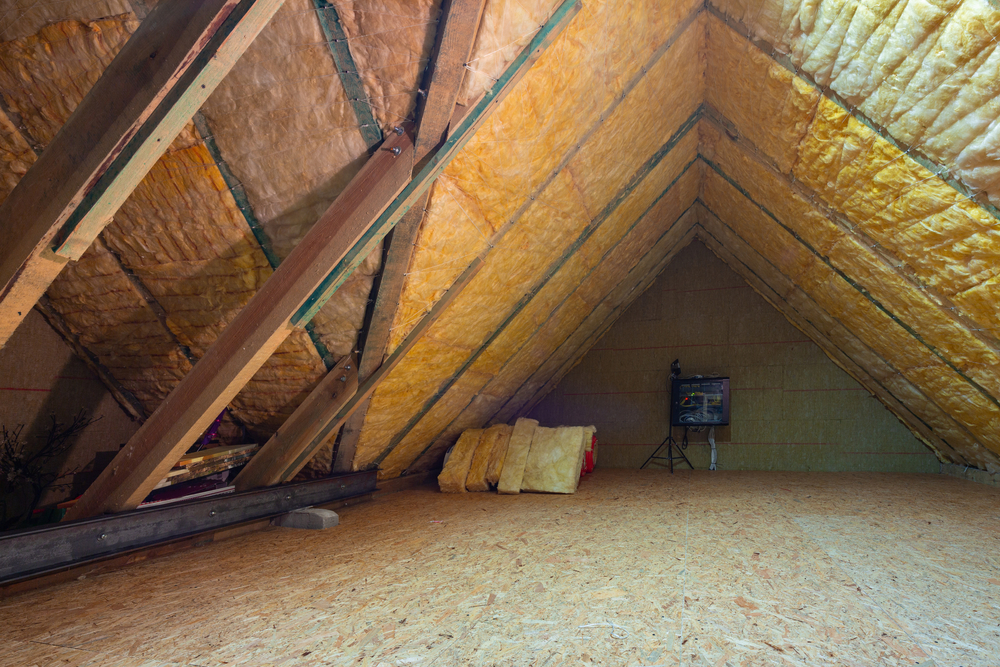
No. Ventilation and insulation do different jobs, and they work best together. Ventilation removes hot air from the roof space, while roof insulation slows heat moving from the roof space into your living areas.
If your home is still hot after adding ventilation, it’s worth checking how much insulation is in your ceiling.
Looking to Ventilate Your Roof?
Roo Roofing has been installing roof ventilation, skylights and new roofs across Brisbane for more than 23 years. We’re QBCC licensed (#1147373) and Master Builders accredited (#64246), and we’ll recommend the right ventilation for your roof and budget.
Book a free roof assessment and quote today. Call 1300 734 148 or get in touch online.